
Top Powder Cleansers for Tackling Baked-On Grease and Set-In Kitchen Stains
- Lifestyle
- By Kirsten H. on
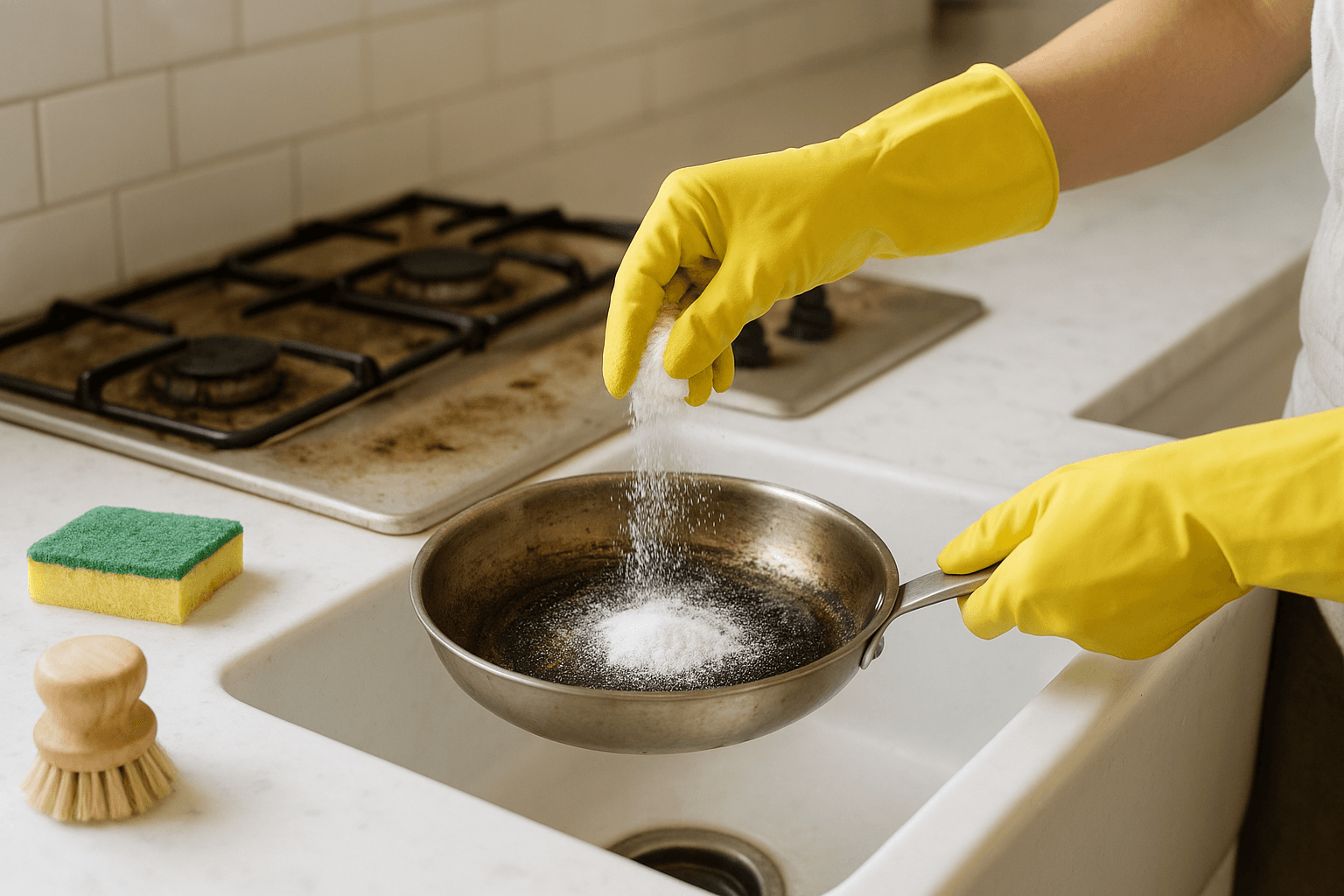
Some kitchen messes are beyond a quick wipe-down: burned pans, sinks that have lost their shine, and grease that has been baked onto a surface for weeks. Powder cleansers have won a devoted following for this sort of trouble, and a little knowledge of how they work helps in choosing the best one for the job.
Why Powders Beat Liquids on Tough Jobs
Cleaning products are not all made for the same task. Sprays and dish soap manage light, fresh messes well, but they usually falter against grime that has had time to harden or food that has been scorched onto a surface. Powder cleansers work differently. They combine chemical cleaning agents with fine mineral abrasives that physically scrub as you work.
When mixed with a little water, that gritty texture becomes very effective on heavy-duty messes. It generally clears stubborn residue faster than applying a weaker liquid again and again. Grit plus chemistry is the combination that lets powders lift residue that liquid formulas often can't remove alone.
How the Scrubbing Action Works
During scrubbing, the mineral grit abrades the surface. That is why powders do so well on sticky, stubborn problems such as baked-on grease, dried milk film, and caramelized sugar. The abrasion works alongside the formula's active cleaning compounds to loosen buildup that has bonded tightly to cookware or countertops over time.
Burned-on fat, sugar, and grease are where powders shine, since other products tend to struggle with that kind of deep grime. On heavily soiled pots or pans, the best approach is to sprinkle the powder straight onto the mess, add a small splash of water, and give the grit and moisture a moment to work before scrubbing.
Brands Worth Knowing
Several powder cleanser brands have become kitchen staples, and each offers something slightly different. Bar Keepers Friend contains oxalic acid, which makes it especially good at dissolving rust stains. That sets it apart from cleansers that rely only on abrasive scrubbing with no acid in the formula.
Bon Ami is often the first pick for people worried about scratching a delicate surface, because its formula is gentler yet still cleans well. Comet and Ajax have been kitchen fixtures for generations and remain popular for steady, broad performance on sinks, stovetops, and tile grout.
Surfaces and Stains Where Powders Excel
Pots, pans, sinks, and countertops are where powder cleansers do their best work, particularly on stains that have set into kitchenware. Baking sheets and roasting pans coated in layers of old grease are among the hardest items to revive, yet a good powder has enough scrubbing strength to bring them close to new.
Stainless steel sinks also respond well. The physical scrubbing paired with active chemical ingredients cuts through discoloration, mineral buildup, and the grease that accumulates over weeks of daily use. Tile around stovetops and backsplashes is another good match, especially where splattered grease has dried and hardened.
Choosing a Gentler Option for the Household
Shoppers who want to limit chemical exposure at home can use the EPA's Safer Choice program as a guide. A Safer Choice label on a powder cleanser's packaging is an easy way to spot products screened against standards meant to protect both personal health and the environment.
Also worth remembering: used as directed, powder cleansers tend to be much more concentrated than liquid alternatives, so a small amount often does what a far larger dose of liquid cleaner can't. That strength is why label directions matter. Highly abrasive powders are a poor match for surfaces that scratch easily, such as polished stone countertops or certain non-stick and coated cookware.
Final Word for Your Kitchen
Powder cleansers remain among the most dependable tools for beating stubborn grease and set-in stains. Whether the culprit is a scorched pot, a dull and discolored sink, or a baking sheet past its prime, these formulas deliver scrubbing power that liquid sprays generally can't match. Bar Keepers Friend, Bon Ami, Comet, and Ajax each have strengths that suit different surfaces and different levels of mess. Once it is clear what the mineral abrasives, active acids, and safety labels actually do, picking the right powder and using it properly involves far less guesswork, and even a neglected kitchen surface can look clean again.