
Buy Now Pay Later Phones Explained: How Financing a Smartphone Really Works
- Tech
- By Kirstie H on
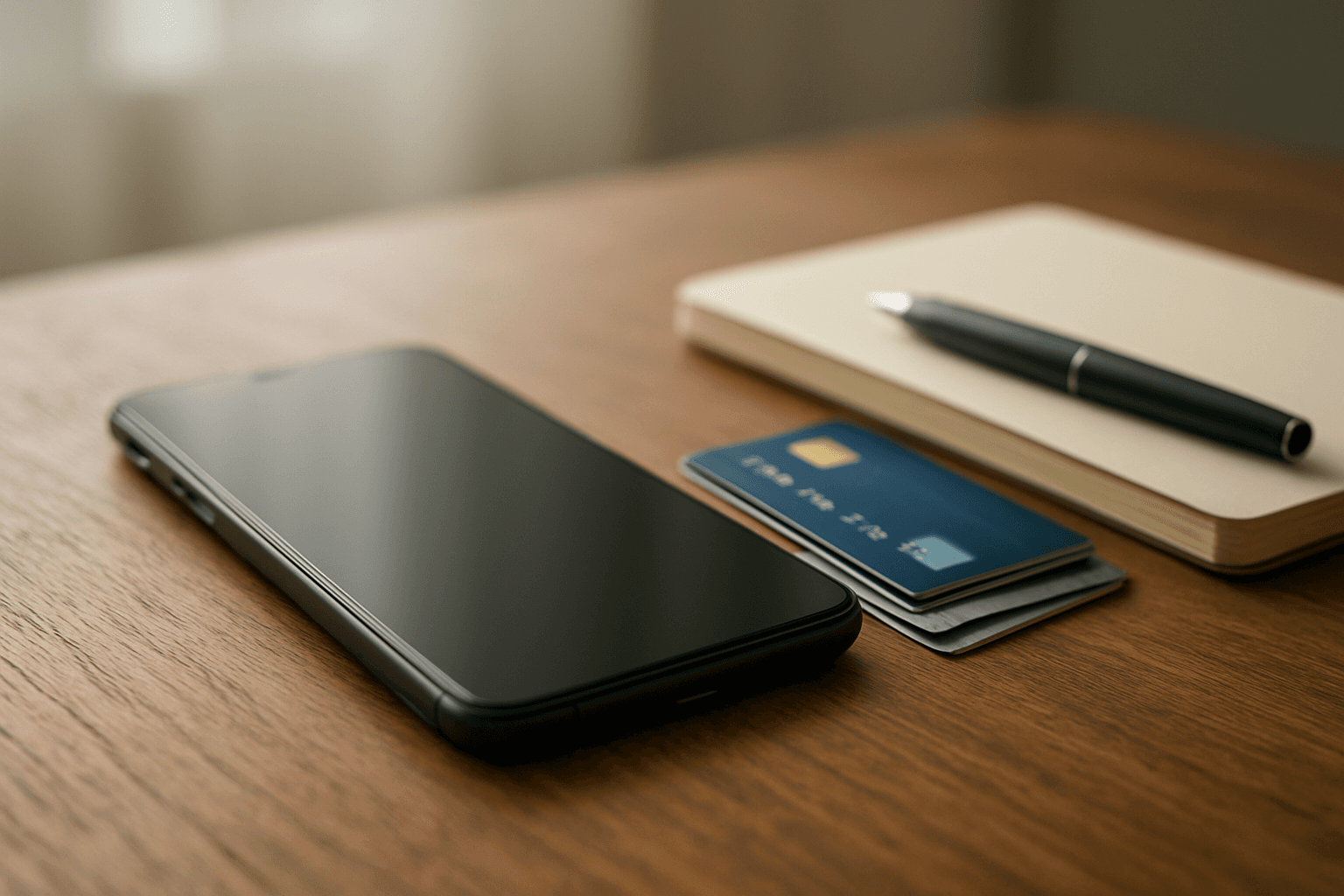
Buy now, pay later (BNPL) lets shoppers take a phone home right away and pay for it in installments instead of all at once. The approach has become common at checkout for flagship phones that often cost several hundred dollars or more.
Not all BNPL offers are the same. Some come from wireless carriers, some from phone makers or retailers, and others from third-party lenders such as Affirm, Klarna, or Afterpay. Terms, credit checks, and consequences for missed payments vary widely.
Understanding those differences matters because a phone payment plan is still a debt. A plan that looks painless at checkout can become costly if interest applies, a payment is missed, or the device is tied to a long service contract.
The Main Ways to Finance a Phone
Most BNPL phone offers fall into a few categories:
- Carrier installment plans: The carrier splits the phone price into monthly payments, typically over 24 to 36 months, often with no interest. Promotional bill credits may be tied to staying on a qualifying plan.
- Manufacturer or retailer financing: Phone makers and large retailers sometimes offer their own installment programs, either directly or through a banking partner.
- Third-party BNPL providers: Apps and checkout tools split a purchase into a handful of payments or longer monthly terms. Short plans are often interest-free, while longer ones may carry interest.
- Lease-to-own and rent-to-own: These are marketed to shoppers with limited credit. They can cost far more than the phone's sticker price over time.
The label "pay later" can describe any of these, so the fine print is where the real differences show up.
What It Typically Costs
Many carrier and short-term BNPL offers advertise 0% APR, which means the monthly payments add up to the phone's price and nothing more. The savings are real if every payment is made on time and the terms are met.
Longer third-party loans can carry interest, and rates can range from low single digits to well above typical credit card rates, depending on the lender and the shopper's credit profile. Late fees, if any, differ by provider. Always compare the total amount repaid against the cash price.
Watch for these cost factors:
- Interest rate (APR) and whether it is fixed or promotional
- Down payment or first-payment requirements
- Late fees and what triggers them
- Activation or upgrade fees charged by the carrier
- Required plan tiers that may cost more per month than a cheaper plan
Credit Checks and Credit Impact
BNPL is often described as easy approval, but many providers still run some form of credit check. Some use a soft check that does not affect a credit score, while others use a hard inquiry, which can cause a small, temporary dip.
Reporting practices are also changing. Historically, many BNPL loans were not reported to major credit bureaus, but that has been shifting, and practices vary by lender. A missed payment could be reported or sent to collections depending on the provider.
Carrier installment plans usually involve a credit check, and shoppers with limited credit may be asked for a deposit or steered toward a different plan.
Risks Worth Knowing About
The biggest risk is overextending. Several small BNPL plans from different providers can add up quickly, and it is easy to lose track of due dates. Autopay from a debit account can also trigger overdraft fees if the balance runs low.
Carrier plans bring another consideration: lock-in. If the phone is paid off through monthly bill credits, switching carriers early may mean owing the remaining balance on the device. Some carriers also lock a phone until it is fully paid off or a set period has passed.
Returns and disputes can be more complicated too. If a phone is returned or defective, the payment plan does not always stop automatically, so it helps to confirm with both the seller and the lender.
How to Decide if It Makes Sense
A BNPL plan can be a reasonable tool when the phone is needed, the terms are interest-free, and the payments fit comfortably in the budget. It is less appealing when it encourages buying a higher-priced model than planned.
Before signing up, consider this short checklist:
- Compare the total cost with the cash price and any trade-in or promotional offers.
- Read how promotional credits work and what happens if service is canceled.
- Check whether the lender reports to credit bureaus and how late payments are handled.
- Confirm the phone will be unlocked after payoff, and when.
- Set up payment reminders, and use autopay only with a funded account.
Shoppers who can wait may also find lower prices through refurbished phones, previous-generation models, or saving for a purchase. Financing is one option among several, and the cheapest path is not always the one advertised at checkout.