
Ways to Find Out What Your Home Is Worth Today
- Home
- By Kirstie H. on
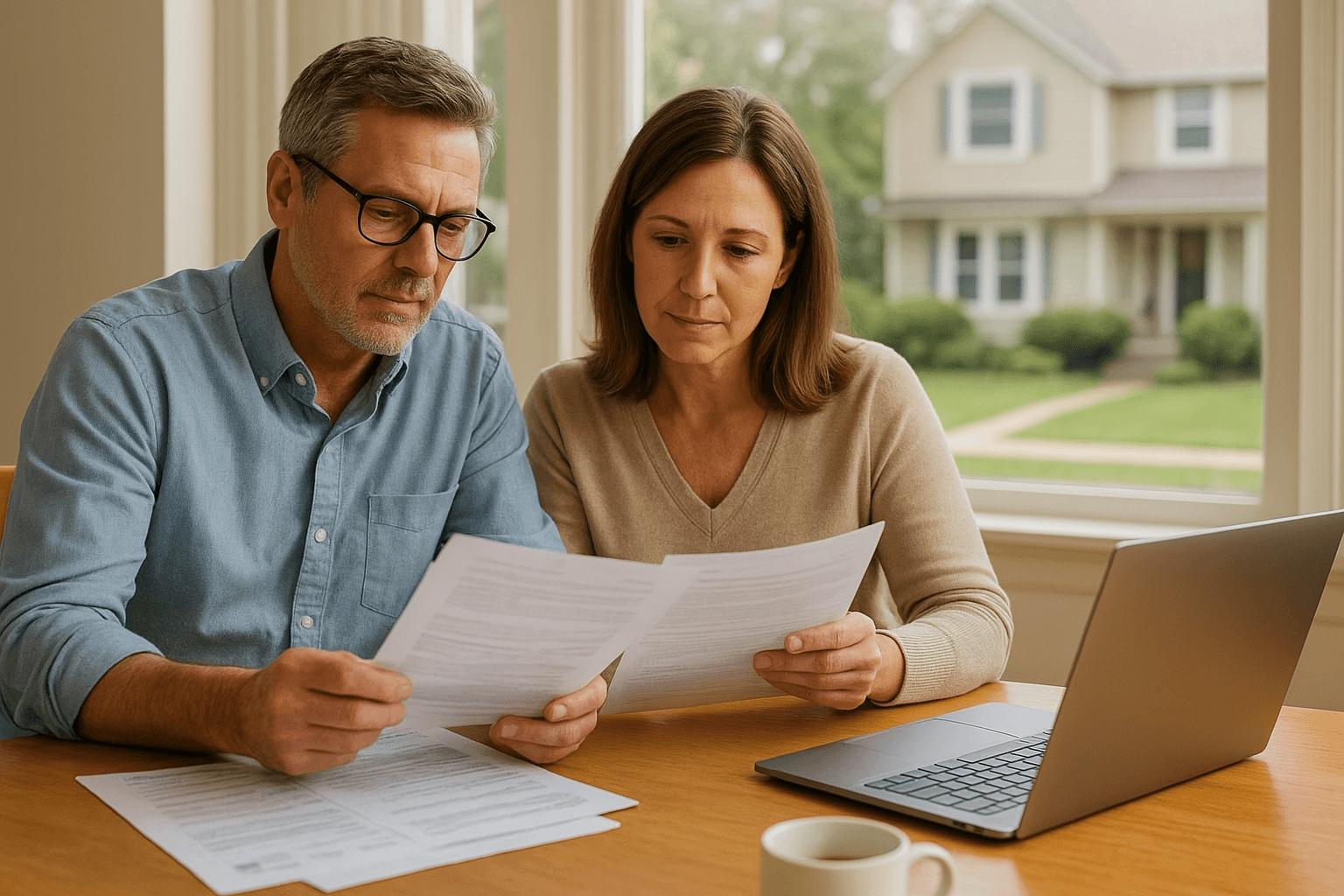
Homeowners across the US are watching a real estate market that is running hotter than ever. Anyone weighing whether to cash in on this seller's market has a few things to consider first. No one can say precisely what a buyer will pay for a particular house, but some basic research can produce a reasonable estimated value.
For those thinking about selling, knowing the local market and the likely worth of the property is a key first step. The sections below cover how to learn about the market and arrive at a value for your home.
Two Kinds of Value: Market and Appraised
Before looking up a number, it helps to separate "market value" from "appraised value."
- Market value: This is the price prospective buyers are prepared to pay. Looking at sales of similar homes in your area gives a sense of what buyers may offer for yours.
- Appraised value: This is the worth a licensed appraiser assigns to the home. Mortgage lenders rely on it to decide how much they will lend a borrower.
The two figures do not always match, particularly when the market is hot. When few homes are for sale, or when a buyer is eager to land a specific house, offers can exceed the appraised value.
Five Ways to Estimate Your Home's Worth
Try an Online Home Value Estimator
Many online valuation tools can deliver a quick estimate of what a home might be worth. They run an algorithm over publicly available data, including local sales and county tax records.
These estimators are handy for a fast figure, but their accuracy is limited. Because they depend only on public data, they may overlook recent upgrades or high-end finishes. If a home is unusual, or if few sales have happened nearby recently, an algorithm-backed valuation may be accurate.
Hire a Professional Appraiser
Homeowners who plan to remortgage or sell may decide a professional appraisal is worthwhile. An appraisal is an objective professional opinion from a licensed appraiser. To prepare the report, the appraiser visits the property and evaluates its condition, finishes, and other important factors. Publicly available data and recent home sales are also used to land on the most accurate value.
Request a Comparative Market Analysis
Real estate agents typically use a comparative market analysis (CMA) to put a value on a home. The agent combines recent sales data with knowledge of the local market into a report that gives buyers or sellers an estimate.
CMAs tend to beat online estimators for accuracy, though they lean heavily on the agent's knowledge and experience. Agents often provide them free of charge, so it is possible to ask several agents for one and compare the results.
Look Up Your County Appraiser's Website
To see a home's value from a tax angle, the local county appraiser's website is a good place to look. County auditors assess homes for property tax purposes. The data is easy to reach and offers an objective opinion.
Use the FHFA House Price Index (HPI) Calculator
The Federal Housing Finance Agency's House Price Index (HPI) calculator helps with understanding property value trends locally. It draws on historical mortgage data to project how home values in an area may shift based on the appreciation rate. Since it uses data from millions of home sales, homeowners can also use it to compare affordability and cost of living across neighborhoods.
The calculator has a clear limit, though: it does not estimate the market value of any one house. It is best used to understand how housing has appreciated over time.