
Home Improvement Grants: How Low-Income Homeowners Can Get Help Paying for Repairs
- Grants
- By Kirstie H. on
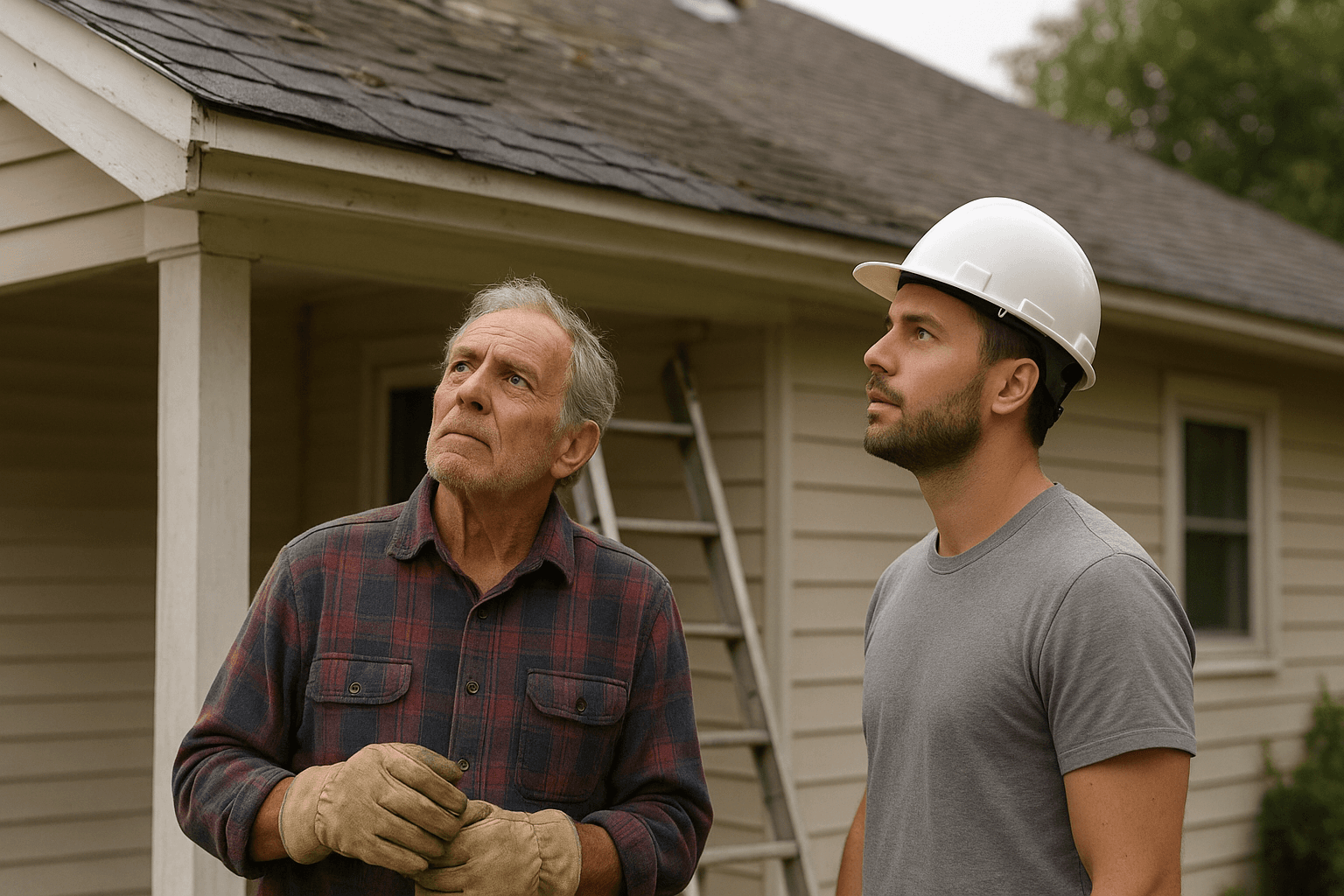
Home improvement is among the most common ways homeowners spend money. Typical reasons include raising property value, making living space more enjoyable and cutting utility bills.
Low-income homeowners who cannot afford necessary work still have options. Government grants and nonprofit assistance can cover part or all of the cost. The programs below show where to start.
Rural Repair Help From the USDA
Low-income rural residents who need to repair or modernize a home may qualify for assistance from the U.S. Department of Agriculture (USDA). The program is known as Section 504 Home Repair, or the Rural Repair and Rehabilitation program.
It works in two ways:
- Very low income homeowners can receive loans to repair or improve their homes.
- Elderly homeowners with very low income can receive grants to remove health and safety hazards.
Applicants must meet these requirements:
- The home is their primary residence.
- They cannot get affordable credit elsewhere.
- Household income is below the very low income limit for their county.
- For a grant, they are 62 or older.
Grants of up to $7,500 are available to seniors aged 62 and over. The money is meant to make homes safer and less hazardous, particularly for people with mobility issues.
Local Home Repair Loans and Grants
Many local government agencies run grant programs and deferred loans for homeowners who want to fix up their property. Funds are generally directed toward making a home safer, more accessible or livable. In San Diego County, for instance, owners of mobile homes can receive a grant of up to $12,000 to improve their living space.
To qualify for that program, a homeowner must:
- Have an income at or below 80% of San Diego's median income.
- Own the mobile home and live in it as a primary residence.
To find similar programs nearby, contact the local Housing and Community Development services. Energy.Gov is another place to look for information on funding and financing options.
Weatherization Grants
Homeowners who want energy-efficient upgrades have plenty of weatherization grants to choose from. These grants go to people who build innovative energy-saving technology into their home updates, with the goal of improving overall efficiency.
The Federal Window Replacement grant, for example, helps low-income families and seniors lower their heating and cooling costs. The Weatherization Assistance Program (WAP) is funded by the Department of Energy (DOE). Requirements and eligibility differ from state to state, however.
In Texas, homeowners must have income at or below 200% of the Federal Poverty Guidelines. They must also receive other government aid, such as supplemental security income, Aid to Families with Dependent Children, or Low-Income Home Energy Assistance.
Florida's WAP provides grant funds to low-income families to reduce their monthly energy burden. The assistance covers:
- Weatherstripping, re-caulking, minor repairs to walls, ceilings and floors, and window and door replacement
- Insulation
- Attic ventilation
- A solar reflective coating for mobile homes
- Solar screens
- Repair or replacement of inefficient heating and cooling units
- Repair or replacement of inefficient water heaters
To qualify, total household income can be no more than 200% above the national poverty level. Preference goes to seniors, disabled residents and families with children under 12.
Residential Rehabilitation Loans and Grants
Homeowners who want to be better stewards of the environment but need financial help to get there have support available. Government grants can offset the cost of eco-friendly, energy-efficient improvements.
The search can begin online, looking at both federal and state grants. Energy.Gov has a wealth of information, and there is a good chance the state also has money set aside for these projects.