
Why Electric Cars Are Set to Shape the Next Era of Driving
- Auto
- By Kirstie H. on
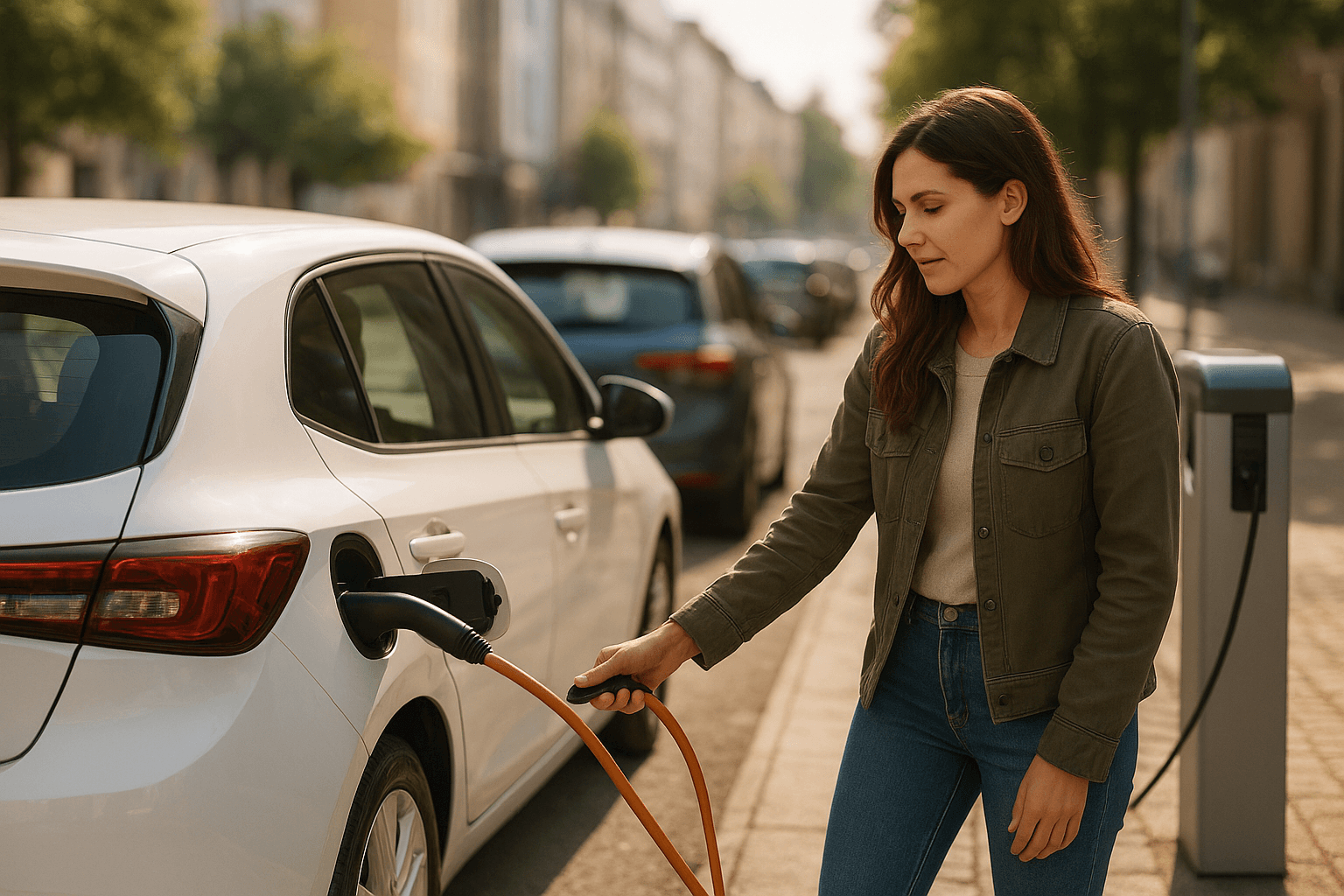
Electric vehicles (EVs) have become a leading force in the worldwide drive toward sustainability. Climate concerns, swings in oil prices, and steady technical progress mean they are no longer a specialty product. They now make up a fast-expanding part of the auto industry. Governments, manufacturers, and drivers alike are embracing them for advantages that include lower emissions and cheaper running costs. The sections below look at what is fueling that momentum and what may come next.
Cleaner Air and a Smaller Carbon Footprint
Among the biggest strengths of electric cars is their effect on the environment. Conventional internal combustion engine (ICE) vehicles burn gasoline or diesel, and both add to air pollution and greenhouse gas emissions. EVs run on electricity instead, and that power can come from renewable sources such as wind, solar, and hydroelectric generation.
Because EVs have no tailpipe emissions, they help cut smog and improve air quality, especially in cities where pollution is most concentrated. As the global power grid moves further toward renewables, the total carbon footprint of EVs will shrink even more.
Where coal and other non-renewable fuels still dominate electricity generation, the environmental gains from EVs may be smaller. Even so, studies indicate that EVs powered by fossil-fuel electricity still release fewer pollutants across their lifetime than gasoline-powered cars.
Savings on Running and Upkeep
Long-term affordability is another strong reason behind the growth of EVs. They frequently cost more to buy than comparable gasoline models, but savings on fuel and maintenance quickly make up the difference.
Electricity usually costs less than gasoline, and its price is far steadier. Owners can also plug in at home during off-peak hours, which trims the cost per mile further. Maintenance is simpler, too, because EVs have fewer moving parts than ICE cars:
- No oil changes
- Fewer fluids to service
- Less wear on parts such as brakes, thanks to regenerative braking
Together, these factors considerably lower the long-run cost of ownership.
How EVs Feel on the Road
For many drivers, an electric car simply drives better than a conventional one. EVs provide instant torque, giving quick acceleration and smooth delivery of power. Plenty of models reach 0 to 60 mph in under six seconds, matching or even beating some sports cars.
Quietness is another plus. With no combustion engine making noise, EVs run much more softly, creating a calmer ride. In cities, that means a more peaceful setting both inside and outside the car.
Efficiency counts as well. Combustion engines lose a large share of their energy as heat, while electric motors turn energy into motion very effectively. That makes EVs both eco-friendly and economical in energy use.
Range Worries and the Charging Network
Range anxiety, meaning the fear of running out of charge before reaching a charger, is a top concern for prospective buyers. Early electric cars typically managed only 60 to 100 miles per charge, which was too little for long trips. Modern models have improved dramatically, with many offering 200 to 400 miles on a full charge.
Charging infrastructure is still a weak point in some regions. Norway and the Netherlands have built broad networks of charging stations, but other places trail behind. On the positive side, many governments and private companies are investing heavily to expand charging coverage, which makes finding a station easier.
Fast charging is advancing too. With the newest technology, some EVs can reach an 80% charge in 30 minutes or less, shortening stops on long journeys.
What Governments Are Doing
Governments worldwide have a key role in encouraging EV adoption. Many offer buyers financial help through tax credits, rebates, or lower registration fees. These incentives offset the higher purchase price and put EVs within reach of more people.
Beyond consumer incentives, some governments are tightening emissions rules, which pushes automakers to put more resources into electric technology. In Europe, for instance, the European Union has set ambitious targets for cutting CO2 emissions from cars, and the result has been a surge in EV production.
Some cities are even weighing bans on gasoline and diesel vehicles over the coming decades, adding more pressure toward electric mobility. These policies, together with growing public awareness of environmental problems, are speeding up the transition.
Looking Ahead
The EV industry is expected to grow exponentially in the years to come. Various reports suggest EVs could represent more than 50% of new car sales worldwide by 2040. Continued progress in battery technology should drive that growth, delivering longer ranges and faster charging.
Autonomous driving is likely to matter as well. Many automakers are working on self-driving electric vehicles that could transform how people think about getting around. Picture fleets of autonomous EVs offering on-demand rides, lessening the need for personal car ownership while reducing traffic and emissions.
Bottom Line
Electric cars mark a transformative change for the auto industry. Their environmental benefits, lower running costs, and better performance make them a persuasive alternative to gasoline-powered vehicles. As batteries improve and charging networks grow, EVs are positioned to become the dominant form of transportation in the near future. For anyone hoping to shrink their carbon footprint, spend less on fuel, or enjoy a smoother ride, the rise of electric cars opens up exciting prospects for how people will travel.