
Easing Arthritis Discomfort at Home: Practical Steps That Help
- Tech
- By Kirstie H. on
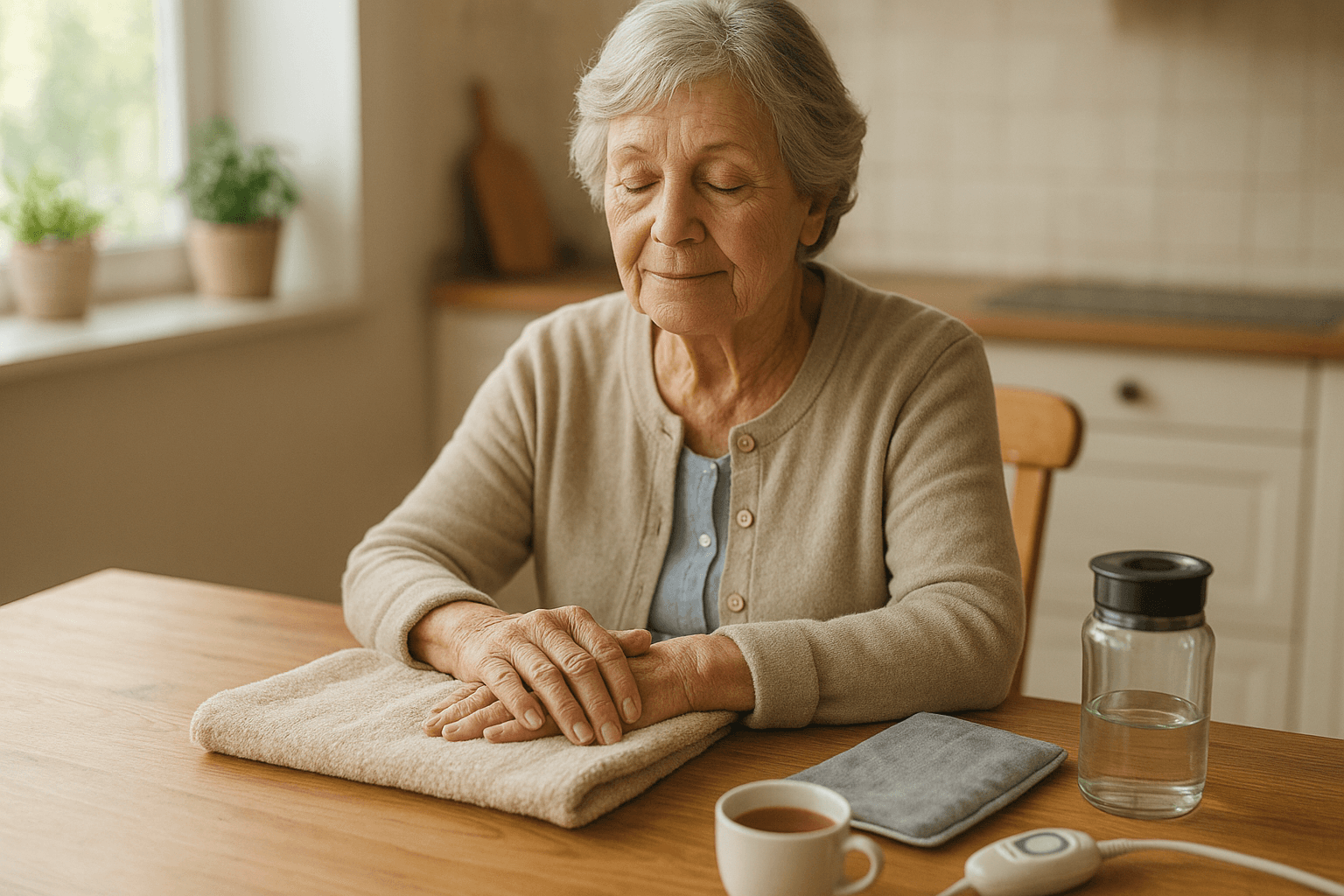
Arthritis can get in the way of the activities people enjoy most. Fortunately, there are plenty of steps that can be taken at home to manage the condition and take the edge off painful symptoms. The strategies below cover movement, home safety, medication, temperature therapy, and diet.
Understanding the Condition
Arthritis describes swelling and tenderness in the joints. Symptoms often get worse as people age, though the condition can affect anyone. Osteoarthritis results from wear and tear on a joint, in particular the breakdown of cartilage, the hard, slippery tissue that cushions and links the joints and the ends of bones.
This kind of damage usually builds up over many years. In some cases, a joint injury or an infection brings it on. Once cartilage is badly damaged, the joint can become inflamed and swollen. Common risk factors include:
- Age. Risk climbs as people get older, which is why arthritis is so common among seniors.
- Family history. Some forms of arthritis run in families, so having an immediate relative with a diagnosis may raise the odds.
- Earlier joint injury. A joint that has been hurt before is more likely to develop arthritis later.
- Obesity. Extra body weight puts added pressure on the joints.
Ways to Ease Symptoms at Home
Stay Active With Gentle Exercise
It may seem backward, but light exercise can improve arthritis symptoms. Working the muscles around a joint makes them stronger, which supports the joint and takes some pressure off it. Movement also keeps joints loose and improves mobility. Anyone planning to begin a new exercise routine should first check with a doctor to confirm that it is safe.
Choose Low-Impact Cardio
Low-impact cardio keeps the body active without putting excessive strain on the joints. Good options include walking, swimming, water aerobics, cycling, and yoga.
Pay Attention to Your Body
Staying active matters, but pushing too hard can backfire when arthritis pain is present. Movements that stress the joints, such as bending, kneeling, and lifting, are best avoided. When discomfort appears, it is time to stop and rest.
Use a Mobility Aid
A cane or walker can take pressure off the knees and hips. It also adds support and lowers the chance of a fall that could lead to more pain or injury.
Make the Home Safer
Homes can hide many tripping and falling hazards, and these should be removed or fixed. Examples include fastening rugs to the floor and installing support bars in the bathroom. Anything else that could cause injury or make daily life harder should be dealt with as well.
Think About a Stairlift
For those with arthritis pain in the knees or hips, a stairlift can make going up and down stairs easier. Electric stairlifts cost less than many people expect, and a simple online search can turn up good deals.
Reach for Over-the-Counter Pain Relief
Many nonprescription medications can help control arthritis pain. Common choices include anti-inflammatories such as Motrin and Aleve. Anyone who already has a prescription should get a doctor's advice before adding another over-the-counter pain medication.
Use Cold and Heat Therapy
Both cold and heat can calm an inflamed joint and reduce pain. When a joint feels stiff, a warm compress can relax the surrounding muscles and improve blood flow. When a joint is hot and swollen, a cold pack can reduce blood flow and act as a local anesthetic. Hot or cold packs should never be placed directly on the skin.
Eat Well and Manage Weight
Keeping a healthy weight lowers the stress on the joints and can improve symptoms. A diet that steers clear of inflammation-causing foods may also reduce pain. One that is rich in fresh fruit and vegetables and low in salt and alcohol, for instance, benefits people with arthritis.
The Bottom Line
Arthritis affects the joints, bringing pain and mobility problems. Still, there is no need to suffer in silence, since the right lifestyle changes can improve symptoms and overall quality of life.