
Foot Clinic Care for Seniors Over 60: What to Expect and When to Go
- Health
- By Barbara H. on
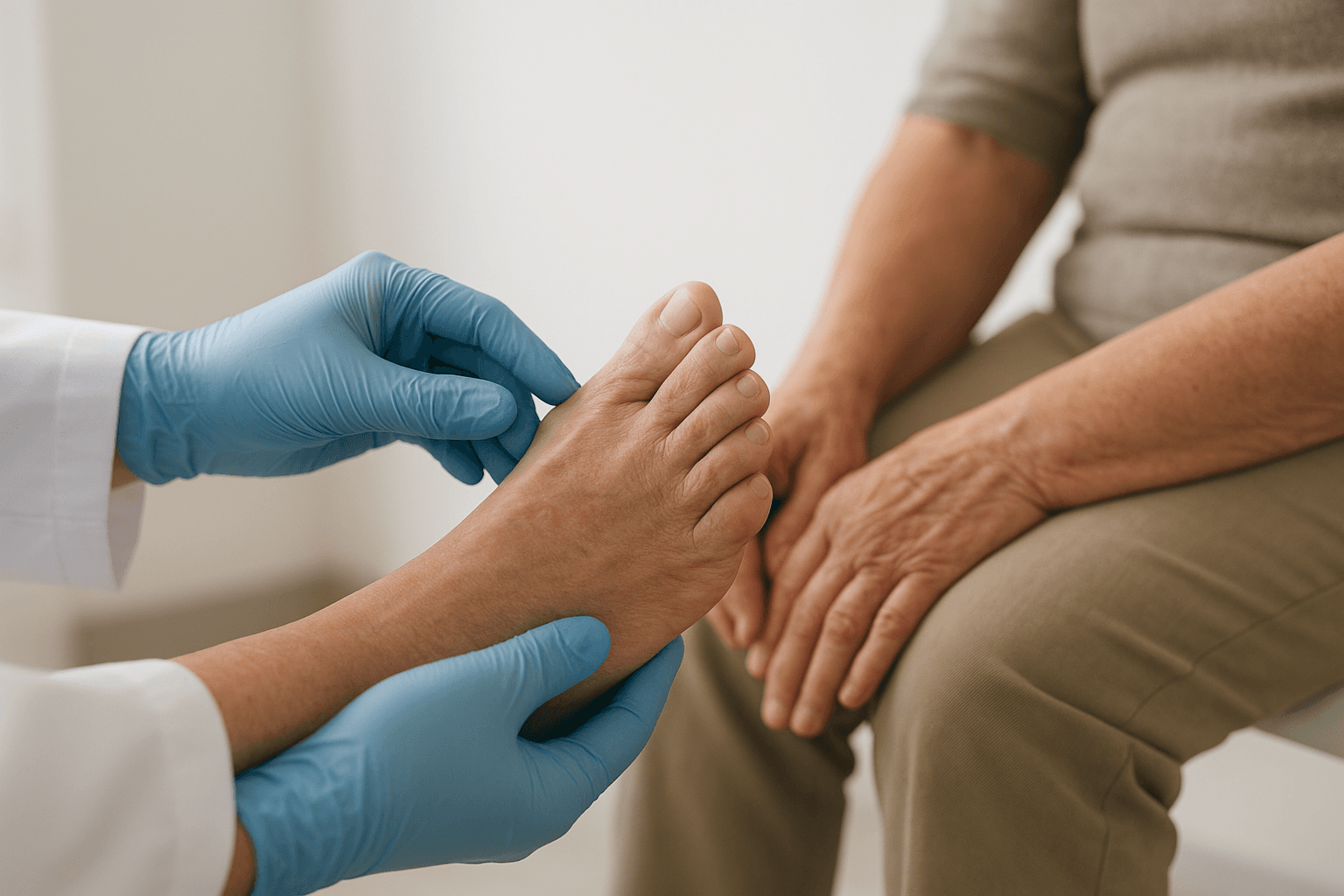
Feet carry a lifetime of wear. After age 60, changes in skin, circulation, nerve function, and joint health can turn minor irritations into real problems, and pain or numbness in the feet often leads people to move less.
A foot clinic, usually staffed by podiatrists (doctors of podiatric medicine) and sometimes by foot-care nurses, focuses on exactly these issues. Services range from routine nail care to wound treatment and surgical consultations. Knowing what is offered makes it easier to decide when a visit is worthwhile.
Many older adults wait until a problem is severe before seeking help. Foot conditions tend to progress quietly, particularly in people with diabetes or reduced circulation, so early attention is usually simpler and less costly than treatment after complications develop.
Why Foot Health Matters More With Age
Feet affect balance and walking, and both influence fall risk. Falls are a leading cause of injury among older adults, and painful or poorly fitting feet can contribute to unsteady movement. Keeping feet healthy supports independence in everyday life.
Aging also brings physical changes that make feet more vulnerable:
- The skin becomes thinner and drier, and it heals more slowly.
- The natural fat padding on the soles can thin out.
- Toenails often thicken, harden, or become brittle.
- Circulation and nerve sensation may decline, especially with diabetes.
- Arthritis can change the shape and flexibility of the joints.
Common Problems Foot Clinics Treat
Most visits involve a handful of conditions that are widespread among seniors. A clinic can often manage them in a single appointment or through a short series of visits.
- Thick or ingrown toenails: Professional trimming and treatment reduce pain and infection risk, particularly for people who cannot easily reach or see their feet.
- Corns and calluses: A clinician can safely remove built-up skin and identify the pressure points that caused it.
- Fungal infections: Athlete's foot and nail fungus are common and can be stubborn. Treatment may include topical or prescription options.
- Bunions and hammertoes: These deformities can make shoes painful. Care may include padding, orthotics, or, in some cases, surgery.
- Heel pain and arthritis: Plantar fasciitis and joint pain often respond to stretching, supportive footwear, or custom inserts.
- Wounds and sores: Any sore that is slow to heal needs prompt professional attention.
Special Considerations for Diabetes and Circulation
People with diabetes face higher risks of nerve damage and poor blood flow in the feet. Reduced sensation means a blister or cut can go unnoticed and become infected. The Centers for Disease Control and Prevention recommends that people with diabetes check their feet daily and have a health professional examine them at least once a year, or more often if advised.
A foot clinic can perform a thorough exam, including testing sensation and pulses, and spot warning signs early. Seniors with peripheral artery disease or other circulation problems may also benefit from regular monitoring.
See a clinician promptly for any of these signs:
- An open sore or blister that is not healing
- Redness, warmth, swelling, or drainage
- Skin color changes, such as blue, pale, or very dark patches
- New numbness, tingling, or burning
- Sudden or severe pain
What Medicare May Cover
Coverage depends on the reason for the visit. Original Medicare (Part B) generally does not pay for routine foot care such as trimming nails, or removing corns and calluses, unless a medical condition makes the care necessary. Examples can include certain diabetes-related complications or circulation problems.
For people with diabetes and qualifying nerve damage, Medicare may cover a foot exam, and it may help pay for therapeutic shoes or inserts when specific requirements are met. Medicare Advantage plans vary, so checking plan details before booking is wise.
Before a first visit, it helps to:
- Confirm that the clinic accepts your insurance and ask about referral requirements.
- Ask whether the service is considered routine or medically necessary.
- Request an estimate for any out-of-pocket costs.
Preparing for a Visit and Caring for Feet at Home
Bringing a list of medications, a record of any health conditions, and the shoes worn most often gives the clinician useful context. Mentioning any recent falls, changes in sensation, or pain patterns also helps guide the exam.
Between visits, simple habits make a difference:
- Wash feet daily with lukewarm water and dry carefully, especially between the toes.
- Moisturize the tops and bottoms, but not between the toes.
- Choose shoes with a wide toe box, good support, and a nonslip sole.
- Wear clean, seamless socks that do not bind at the ankle.
- Avoid walking barefoot, even indoors, if sensation is reduced.
- Use a mirror or ask a caregiver to help check the soles.
Seniors who have trouble reaching their feet should avoid cutting thick nails or treating corns with sharp tools or medicated pads, which can cause injury. A clinic visit is the safer option in these cases.
Regular foot care is a practical way to protect mobility, prevent complications, and stay active. Finding a clinic with experience treating older adults can make the process easier and more comfortable.