
Can a New Roof Really Cost Nothing? Grants and Programs That May Help
- Home
- By Kirstie H. on
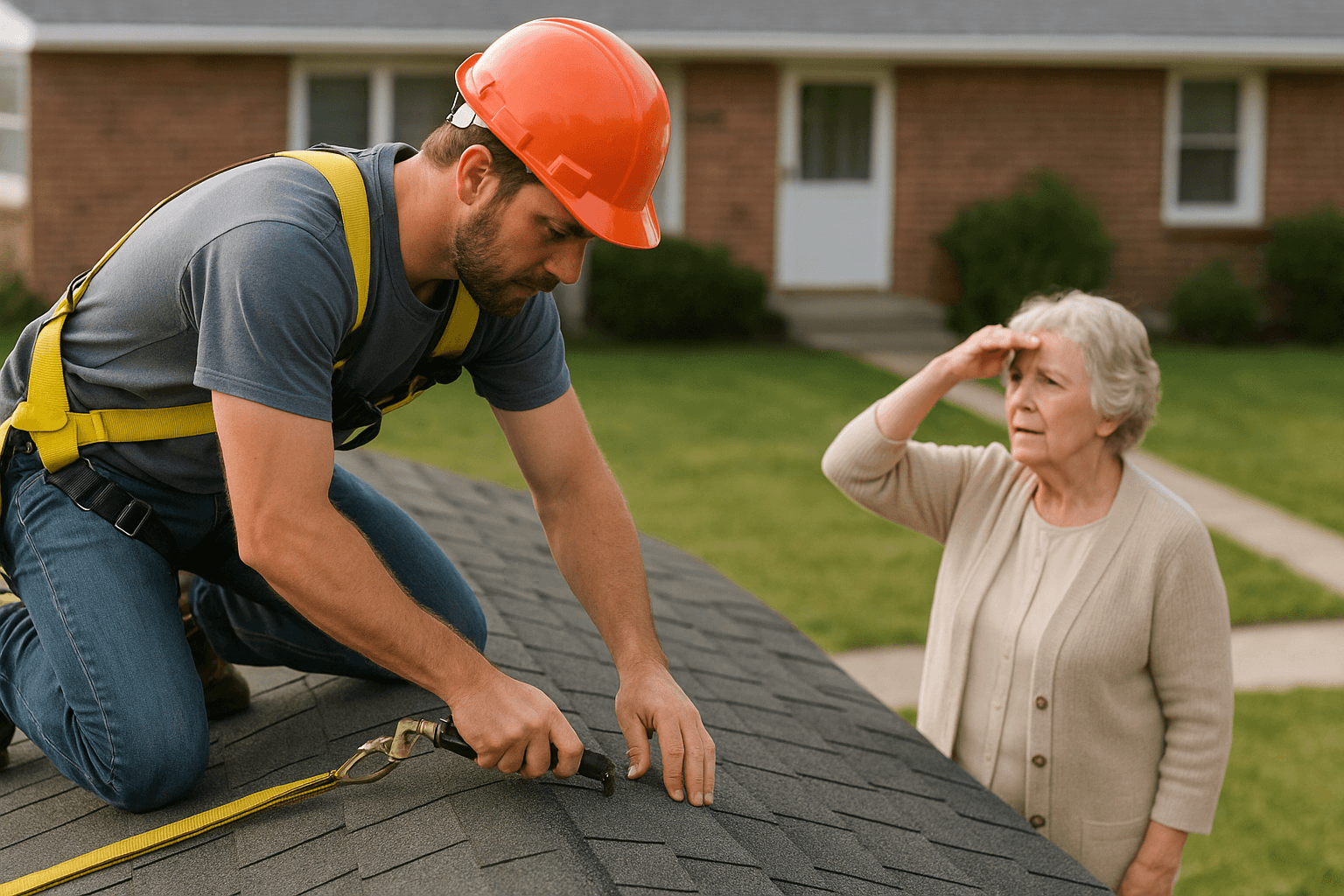
Government grants exist that can pay for repairing or replacing an old roof, sometimes at no charge to the homeowner. The programs below show how much could be saved and who may be eligible.
Why Roof Costs Hit Families Hard
A roof does practical work in every home. It shields the household from harsh weather and also contributes to how the house looks.
Still, roofs take a beating from hail, fallen tree limbs, extreme weather and U.V. rays. Repairing, renovating or replacing one can be costly, particularly for low-income families. Several roof replacement grants are designed to ease that burden, and a number of them are outlined here.
Housing Preservation Grant
The U.S. Department of Agriculture offers the Housing Preservation Grant to low-income families. Applicants must have income below a set threshold and live in a rural area. The grant is typically handled by a local non-profit organization that focuses on helping low-income families in the community.
The money can offset the cost of repairing or replacing a roof, for instance when the roof poses a health or safety hazard. Homeowners who want to pursue it should contact their local USDA Rural Development field office.
Weatherization Assistance Program
Run by the United States Department of Energy, the Weatherization Assistance Program is among the best-known sources of help for roof repair and replacement. For low-income families, it can lower heating and cooling bills and improve the overall habitability, health and safety of the home. State and local governments distribute up to $5 billion in grants each year to help low-income families upgrade their homes.
Applicants must meet one of these criteria:
- Income under a certain threshold
- A disability
- Senior citizen status
- A low-income family with dependent children
- A low-income single parent
Families that receive either Supplemental Insurance Income or Aid to Families with Dependent Children are automatically eligible.
Single-Family Housing Repair Grants and Loans
Like the Housing Preservation Grant, the Single-Family Housing Repair Grants and Loans are sponsored by the USDA. They give low-income families financing for necessary home repairs, including roof repair and replacement.
This effort is also known as the Section 504 Home Repair Program. It covers renovations such as roof replacement and other improvements that affect whether a property is habitable. The goal is to improve safety, health and quality of life for low-income, disadvantaged people. To qualify for the loan, an applicant must already own the home and have income below 50% of the area's median income.
Handicapped Accessibility Improvement Program (HAIP)
HAIP provides up to $75,000 per household for families and individuals who need better accessibility at home. The money can make a home safer and more comfortable, especially for people with mobility issues and for seniors.
Eligibility may depend on meeting any of the following:
- Having owned and lived in the home for at least three years
- Having no outstanding local, state or federal taxes
- Carrying homeowners insurance
- Meeting the income-based criteria
Single Family Residential Rehabilitation Program (SFRRP)
People with mobility issues or another physical impairment may find help through the Single-Family Residental Rehabilitation Program. It supports roof repairs and renovations for those facing mobility or other physical challenges.
Funds can go toward home repairs such as roofing, gutter work and even window replacement. The program aims to provide safe, habitable homes that are accessible to people with physical impairments, and it gives owners a chance to make sure the home meets building code.
SFRRP offers up to $20,000 in roof repair grants for repairing or replacing a roof or gutters. It is a strong option for homeowners with a disability who cannot afford to replace their roofs.
Pairing a New Roof With Solar
Homeowners who care about the environment and want to save money can combine a new roof with a grid-tied solar project. Many programs exist to finance a new roof alongside solar, and in many cases the income the system generates can offset the cost of the roof.
Another route is leasing the roof to a third-party solar system for a monthly rental fee. That can sharply reduce the cost of an entirely new roof while producing solar energy for up to 25 years. Options for leasing or using a solar project can differ depending on location and roof type, so it pays to research thoroughly before committing.
Look Into Affordable Roof Replacement
An old or damaged roof that needs replacing does not have to mean paying the full price. Searching online is a good first step to find out which roof replacement grants a household qualifies for. With some research, savings could reach thousands of dollars on a new roof.