
Prescription Drug Costs: What Patients Should Know Before Filling Their Next Script
- Health
- By Barbara H. on
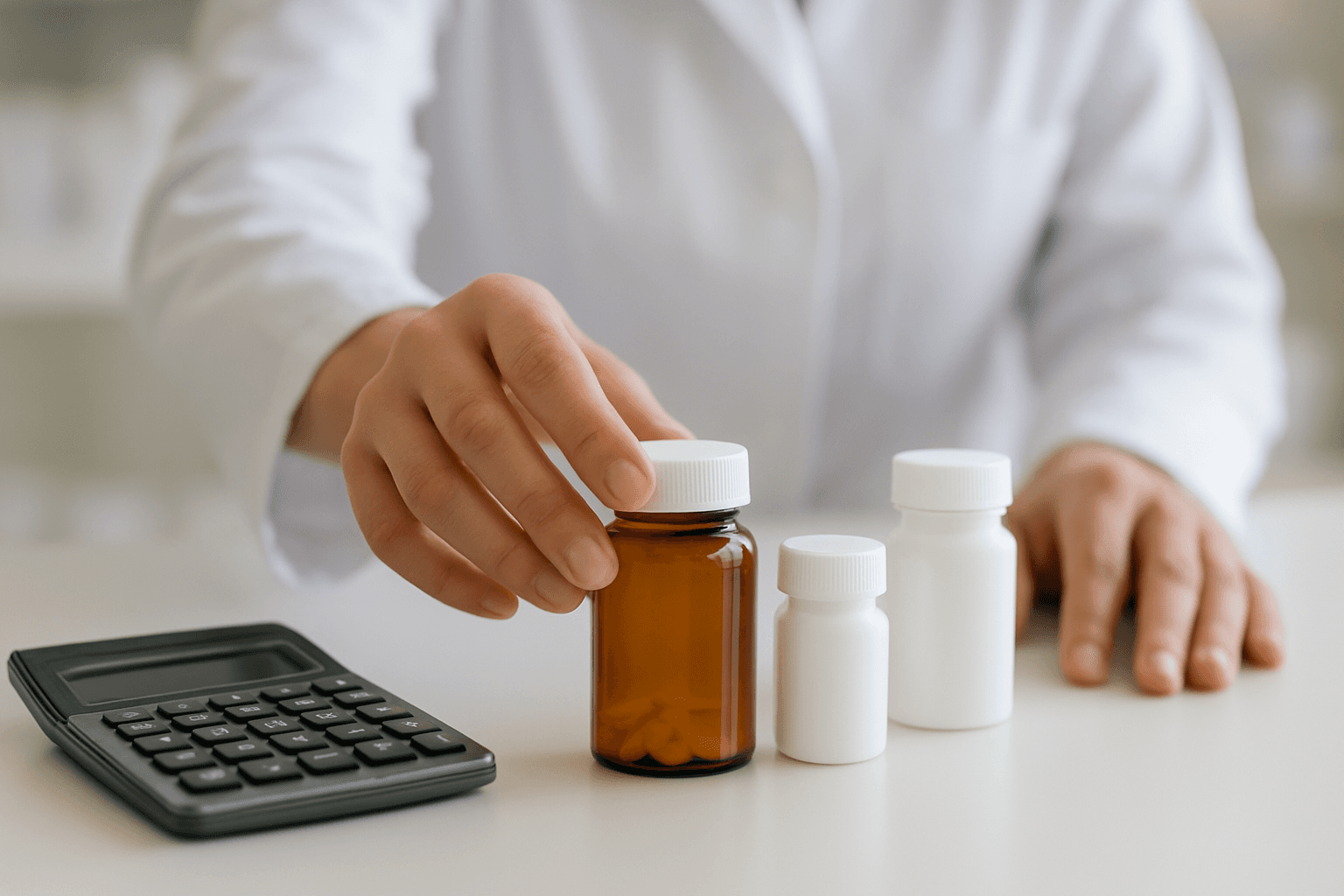
The price printed on a pharmacy receipt rarely matches the drug's list price. What a patient actually pays depends on insurance design, the pharmacy used, whether a generic exists, and where the person is in the plan's deductible cycle.
That gap between list price and out-of-pocket cost is why two people with the same prescription can pay very different amounts. Understanding a few moving parts makes it easier to spot savings and avoid surprises at the counter.
This guide covers how insurance coverage works, where generics and discount programs fit, what has changed for Medicare enrollees, and the questions worth asking a doctor or pharmacist.
How Insurance Shapes the Price
Most health plans sort drugs into tiers on a formulary, which is the plan's list of covered medications. Lower tiers usually hold generics with small copays, while higher tiers hold brand-name or specialty drugs with larger copays or coinsurance.
The deductible matters just as much. Many plans require patients to pay the full negotiated price of a drug until the deductible is met, which can make the first fill of the year the most expensive.
Plans also use controls that affect access and cost:
- Prior authorization: the plan must approve the drug before it will pay.
- Step therapy: the plan requires trying a cheaper drug first.
- Quantity limits: coverage is capped at a certain amount per fill.
- Preferred pharmacies: some plans charge less at certain pharmacies or by mail order.
Checking the plan's formulary before a visit, or while a prescription is being written, can prevent a denied claim or an unexpected bill.
Generics, Biosimilars, and Brand-Name Drugs
Generic drugs contain the same active ingredient as their brand-name counterparts and must meet FDA standards for quality, strength, and performance. They typically cost substantially less than brand-name versions, though the exact difference varies by drug and market.
Biosimilars play a similar role for biologic medicines, which are complex drugs made from living cells. They are not identical copies, but the FDA reviews them to confirm they are highly similar to the original with no clinically meaningful differences.
Patients can ask a prescriber or pharmacist whether any of these options are appropriate. Switching is not always possible or advisable, so the decision should involve the prescribing clinician.
Medicare Changes Worth Knowing
Recent federal law has changed costs for many people with Medicare Part D drug coverage. Out-of-pocket spending under Part D is now subject to an annual cap, which was set at $2,000 for 2025 and is adjusted over time. Medicare also limits cost sharing for covered insulin to $35 per month.
Some enrollees may also qualify for Extra Help, a program that lowers premiums, deductibles, and copays for people with limited income and resources. Eligibility rules and amounts change, so the Medicare website or a State Health Insurance Assistance Program counselor is the best place to confirm details.
Because plans differ in premiums, formularies, and pharmacy networks, comparing options during the annual open enrollment period is worthwhile even for people who are satisfied with their current coverage.
Practical Ways to Lower What You Pay
Savings often come from small steps rather than a single trick. Options to consider include:
- Compare pharmacies. Cash prices for the same generic can differ noticeably between chains, independent pharmacies, and online options.
- Ask about a 90-day supply. Many plans charge less per dose for mail-order or 90-day fills of long-term medications.
- Try discount cards or pharmacy savings programs. These can sometimes beat an insurance copay on inexpensive generics, but the purchase usually will not count toward the plan deductible.
- Check manufacturer assistance. Copay cards from drugmakers can reduce costs for people with commercial insurance, but they generally cannot be used with federal programs such as Medicare or Medicaid.
- Look into patient assistance programs. Drugmakers and nonprofit foundations may offer free or reduced-cost medication to those who meet income criteria.
- Request a formulary exception. If a needed drug is not covered or sits on a high tier, a prescriber can sometimes appeal on the patient's behalf.
It can help to ask the pharmacist to run a claim both ways, through insurance and at the cash price, and choose the lower number.
Questions to Ask Before Leaving the Appointment
Cost conversations are a normal part of care, and clinicians generally want to know if price will keep a patient from taking a medication. Skipping doses or splitting pills without guidance can cause real harm.
Useful questions include:
- Is there a generic or lower-cost alternative that would work as well?
- Does this drug need prior authorization, and who will handle it?
- Is a longer supply appropriate?
- Are there samples, assistance programs, or therapeutic substitutes available?
Keeping a current medication list and reviewing it with a doctor or pharmacist each year can also reveal drugs that are no longer needed or duplicates that add cost without benefit.
The Bottom Line
Prescription costs are driven by a mix of insurance design, drug type, and where a patient shops. Patients who check their formulary, compare prices, and speak up about affordability usually find more options than they expected.
Rules and programs change often, so confirming current details with a plan, pharmacist, or official government resource is the safest way to make decisions.