
Eczema Clinical Trials: What New Research Is Testing and How to Take Part
- Health
- By Kirsten H. on
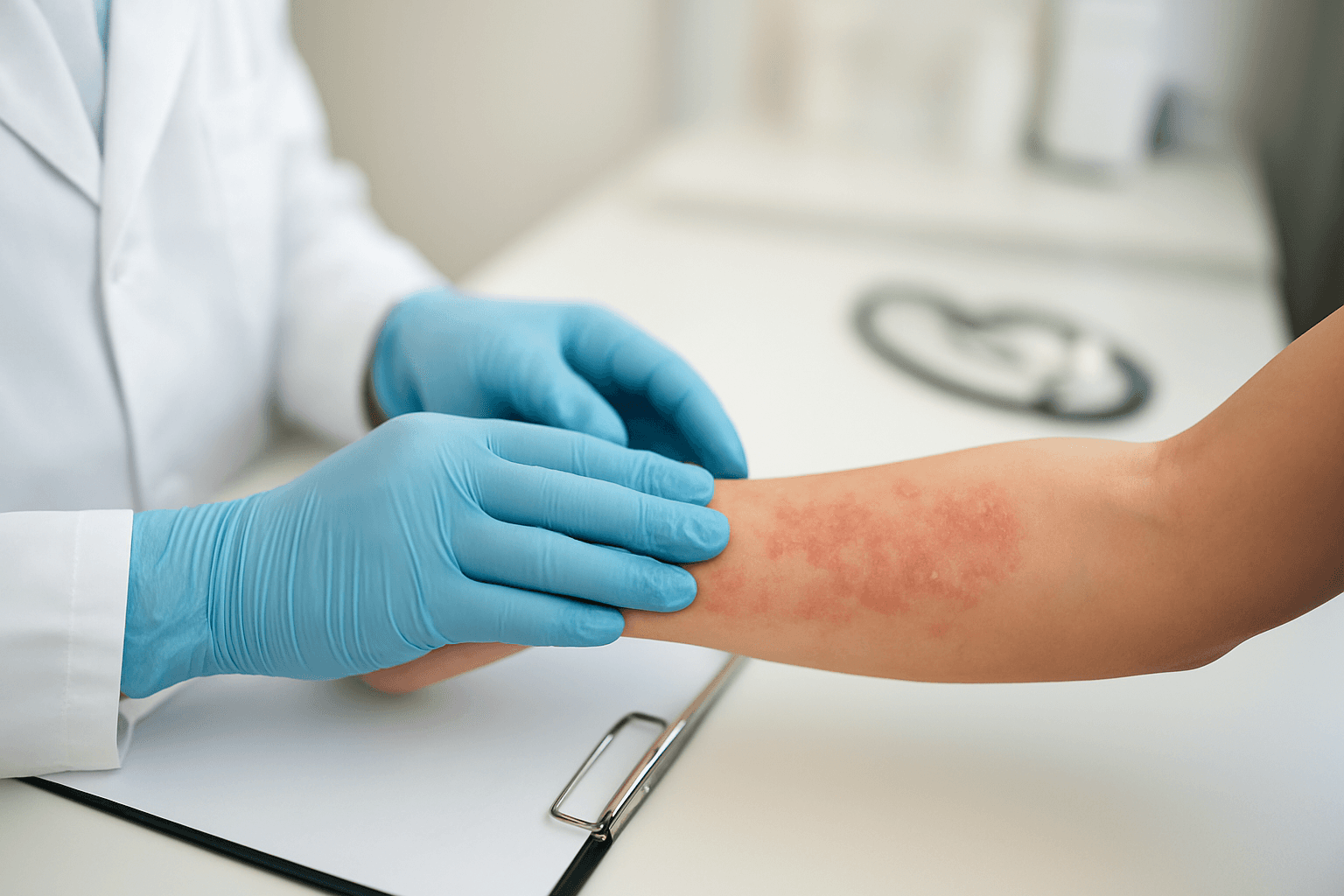
Eczema, most often meaning atopic dermatitis, affects millions of children and adults in the US. Treatment has changed considerably over the past decade, and many of the newer options came out of clinical trials.
Research is still active. Studies now look at how to calm itch and inflammation, how to protect the skin barrier, and how to help people who do not respond well to current therapies.
For people with moderate to severe eczema, a clinical trial can mean access to an investigational treatment along with close monitoring. It is not the right choice for everyone, and the benefits and risks differ from study to study.
Where Eczema Research Is Focused
Much of the current work targets specific immune signals involved in eczema. Several approved and investigational therapies are designed to block those signals more precisely than older, broad-acting medications.
Common areas of study include:
- Biologics: Injectable drugs that block proteins such as IL-13 or IL-31, which are tied to inflammation and itch. Some newer studies look at less frequent dosing.
- OX40 pathway therapies: Investigational drugs that aim to adjust T-cell activity, with the goal of longer-lasting control.
- JAK inhibitors: Oral and topical medications that interrupt inflammatory signaling inside cells. Safety monitoring is a major part of these studies.
- New topical treatments: Non-steroid creams and ointments tested for mild to moderate eczema, including in young children.
- Skin barrier and microbiome approaches: Studies of moisturizers, bacterial treatments, and early-life skin care that may reduce eczema risk.
Status changes quickly. A drug that is investigational today may be approved later, or a study may end early, so current information should come from a registry rather than a news article.
How Clinical Trials Are Structured
Trials move through phases. Each one answers a different question about a treatment.
- Phase 1: A small group tests basic safety and dosing.
- Phase 2: A larger group looks at whether the treatment appears to work and which dose is best.
- Phase 3: Hundreds or thousands of participants compare the treatment with a placebo or standard care to confirm benefit and monitor side effects.
- Phase 4: Studies after approval track long-term safety and real-world use.
Many eczema trials are randomized and double-blind. That means participants are assigned by chance to the study drug or a comparison, and neither participants nor researchers know which until the study ends. Some trials offer an open-label extension, where everyone may receive the study drug after the main period.
Who May Qualify
Each study sets its own criteria, and they can be strict. Eligibility often depends on factors such as:
- Age group, since some trials enroll only adults, adolescents, or children
- Diagnosis and severity, often measured with standardized skin scoring tools
- Previous treatments tried, including topical steroids or other prescription therapies
- Other health conditions and current medications
- Willingness to follow visit schedules, keep symptom diaries, and avoid certain products
A dermatologist or allergist can help judge whether a study fits a person's situation. Study coordinators can also explain criteria in plain language before any commitment.
Benefits and Risks to Weigh
Potential benefits include access to a treatment not yet available, frequent skin checks, and a role in research that may help future patients. Many trials cover study-related visits and tests, and some offer travel reimbursement or a stipend, though this varies.
The risks are real too. An investigational treatment may not work, may cause side effects, or may have unknown long-term effects. Participants in a placebo group may see little improvement for a period, and some studies require stopping current medications before starting.
Before enrolling, it helps to ask:
- What is being tested, and what is known about its safety so far?
- How long does the study last, and how many visits are required?
- What happens if symptoms worsen or side effects occur?
- Which costs are covered, and does insurance bill for any part?
- Can participation end at any time without affecting regular care?
Anyone who joins will go through informed consent, a process that explains the study in detail. Participation is voluntary, and withdrawing is allowed.
How to Find Eczema Studies
The most reliable starting point is ClinicalTrials.gov, the federal registry of studies, where searches can be filtered by condition, age, location, and recruitment status. Dermatology clinics and university medical centers often list their own studies, and patient groups such as the National Eczema Association share information about research opportunities.
Beware of any listing that asks for payment to join a trial. Legitimate studies do not charge participants to enroll. Discussing options with a current doctor is a sensible step before contacting a study team.
Sources
- ClinicalTrials.gov – U.S. National Library of Medicine study registry
- National Institute of Arthritis and Musculoskeletal and Skin Diseases – Atopic Dermatitis
- National Eczema Association
- American Academy of Dermatology – Eczema
- U.S. FDA – Clinical Trials: What Patients Need to Know
- NIH – Clinical Research Trials and You