
Under Eye Clinical Trials: How They Work and How to Find One
- Health
- By Kristen on
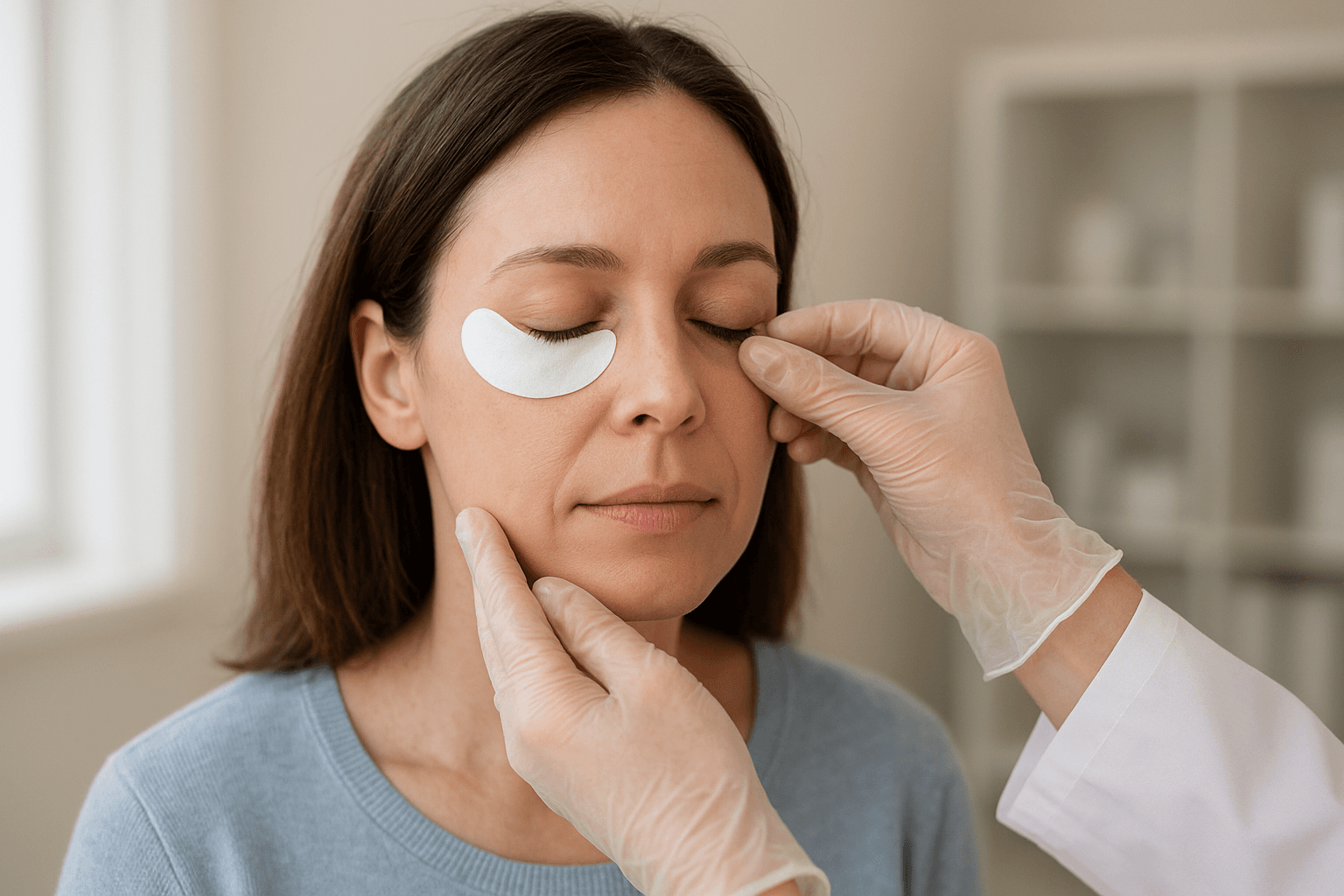
Dark circles, puffiness, bags, and hollows beneath the eyes are among the most common cosmetic concerns people bring to dermatologists and plastic surgeons. Many products and procedures claim to help, but only some have been tested in well-designed studies. Clinical trials are how researchers gather that evidence.
Some of these studies enroll volunteers. Participants may receive a treatment that is not yet widely available, along with close monitoring by a research team. Costs and compensation vary by study, and some trials cover study-related visits or products.
Joining a trial is not risk-free, and there is no guarantee of improvement. Understanding what these studies involve makes it easier to decide whether participation makes sense.
What Under-Eye Trials Typically Study
Research on the under-eye area covers a wide range of approaches. The skin there is thin and delicate, so safety testing is a major focus alongside effectiveness.
Common categories include:
- Topical products: creams or serums containing ingredients such as retinoids, vitamin C, peptides, or brightening agents, tested for dark circles, fine lines, or skin texture.
- Injectables: dermal fillers for tear trough hollows, or other injectable products aimed at volume loss.
- Energy-based devices: lasers, radiofrequency, or light-based tools studied for pigmentation, crepey skin, or laxity.
- Biologic approaches: platelet-rich plasma (PRP) and similar methods, which are often studied for skin quality.
- Medical conditions: studies on swelling around the eyes linked to allergies, thyroid-related eye disease, or other health issues.
Some trials compare a treatment to a placebo or an inactive vehicle cream. Others compare two active options or test one side of the face against the other.
Who May Qualify
Every trial sets its own eligibility rules, called inclusion and exclusion criteria. These are meant to keep participants safe and make results meaningful.
Typical factors include:
- Age range, often adults only
- The specific concern being studied, such as moderate dark circles or tear trough hollows
- Skin type, since some pigment studies focus on certain skin tones
- Previous treatments in the area, such as filler or surgery
- Pregnancy or breastfeeding status
- Allergies, eye conditions, or medications that could interfere with the study
A screening visit usually confirms eligibility. Being turned away from one study does not mean being ineligible for others.
How to Find Legitimate Trials
Reliable listings are easier to find than many people expect. The most useful starting point is ClinicalTrials.gov, a registry maintained by the National Library of Medicine. Searching terms like "periorbital hyperpigmentation," "tear trough," "infraorbital hollows," or "eyelid dermatitis" can surface relevant studies.
A practical approach looks like this:
- Search the registry and filter by location and recruitment status.
- Review the study's purpose, phase, and listed sponsor.
- Note the contact information for the research site.
- Ask a dermatologist or primary care provider whether the study seems reasonable.
- Contact the research team directly with questions before screening.
University medical centers and dermatology research clinics often run these studies. Be cautious with ads that promise free cosmetic procedures but do not name a sponsor, an oversight board, or a registry listing.
Questions to Ask Before Enrolling
A legitimate research team expects questions and should answer them clearly. The informed consent document, which participants review and sign, should cover most of the following.
- What treatment is being tested, and has it been studied in people before?
- Could I receive a placebo?
- What side effects are possible, such as swelling, bruising, irritation, or changes in pigmentation?
- How many visits are required, and how long does the study last?
- Are there costs, or is compensation offered for time and travel?
- Who pays for care if something goes wrong?
- Will I receive the treatment after the study if I was in a control group?
- Is the study reviewed by an institutional review board (IRB)?
Participants can generally leave a study at any time. It is worth confirming how that process works and whether follow-up visits would still be requested for safety.
Risks and Realistic Expectations
The skin around the eyes is sensitive, and treatments near the eyes carry particular considerations. Injectables in this area can cause bruising or swelling, and rare complications can be serious. Devices used close to the eyes require proper eye protection and trained operators.
Results in a trial may also differ from what is seen in marketing images. Dark circles in particular have several possible causes, including genetics, pigmentation, thin skin, volume loss, and shadowing, so one treatment may not help everyone.
It also helps to understand regulatory context. The FDA treats products differently depending on whether they are cosmetics or drugs, and products that claim to change skin structure or function may fall under drug rules. Trials of investigational products are part of how that evidence is built.
People who prefer not to join a study still have options. A board-certified dermatologist or oculoplastic surgeon can evaluate the cause of under-eye changes and discuss approved treatments, which may be a better fit than an experimental one.