
Medicare Covered Wheelchairs: What Part B Pays For and How to Qualify
- Health
- By Barbara H. on
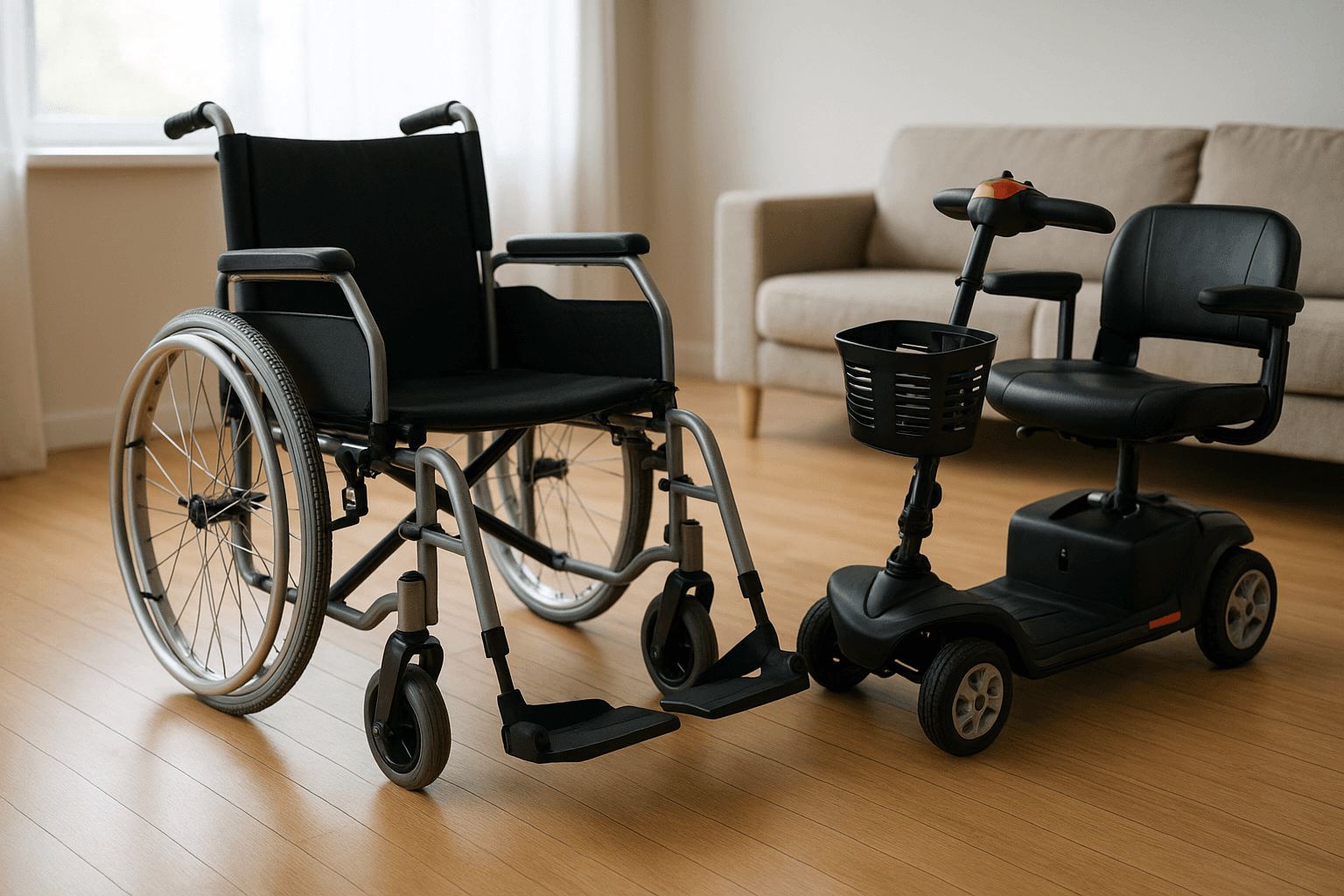
Original Medicare treats wheelchairs as durable medical equipment (DME). Part B can help pay for a manual wheelchair, a power wheelchair, or a power-operated scooter when a doctor or other treating practitioner documents that the device is medically necessary.
Coverage is not automatic, though. Medicare looks at whether a mobility limitation interferes with daily activities at home, whether a simpler device would do the job, and whether the supplier follows Medicare's rules.
Understanding those requirements before shopping can prevent denied claims, surprise bills, and delays. The sections below cover the basics of eligibility, costs, the approval process, and common pitfalls.
What Medicare Counts as a Covered Wheelchair
Medicare generally groups mobility equipment into a few categories:
- Manual wheelchairs: Standard or lightweight models propelled by the user or a caregiver.
- Power wheelchairs: Battery-operated chairs with a joystick or other control, often for people who cannot propel a manual chair.
- Power-operated vehicles (scooters): Three- or four-wheeled devices that require enough strength and balance to sit upright and steer.
Medicare typically covers the least costly device that meets the person's medical needs. If a manual wheelchair would work, Medicare may not approve a power chair. Upgrades beyond what is medically necessary are usually the patient's responsibility.
Who Qualifies
To qualify under Part B, a person generally must meet several conditions:
- A health condition causes a mobility limitation that makes it difficult to complete everyday tasks in the home, such as getting to the bathroom, bedroom, or kitchen.
- A cane or walker cannot adequately resolve the problem.
- The person can safely operate the device or has a caregiver who can help.
- The home can accommodate the equipment, with enough space to maneuver.
- A treating doctor or practitioner confirms the need after an in-person visit.
The focus is on mobility needs inside the home. A device wanted mainly for outdoor or recreational use may not meet Medicare's standard, even though it might be helpful in other ways.
Steps to Get Equipment Approved
The process varies by device, but it usually follows this path:
- Schedule a face-to-face visit. The treating practitioner evaluates mobility and documents why the equipment is needed. For power mobility devices, a written order is typically required before delivery.
- Get a specialist evaluation if needed. Some power wheelchairs call for an assessment by a physical or occupational therapist or other specialist.
- Choose an enrolled supplier. The supplier must be enrolled in Medicare and, to keep costs predictable, should accept assignment. Medicare.gov offers a supplier directory for checking.
- Check for prior authorization. Certain power wheelchair models require Medicare approval before the supplier delivers them. The supplier usually submits this request.
- Confirm rent-or-buy terms. Some items are rented for a period, while others are purchased outright. Ask which applies and who handles maintenance.
Keeping copies of the order, visit notes, and supplier paperwork helps if a claim is questioned later.
What It Typically Costs
After meeting the annual Part B deductible, Medicare typically pays 80% of the Medicare-approved amount, and the patient pays the remaining 20% coinsurance. Because wheelchair prices range widely, from a few hundred dollars for basic manual models to several thousand for advanced power chairs, the 20% share can vary a great deal.
Several things can change out-of-pocket costs:
- Medigap (Medicare Supplement) plans: Many cover some or all of the 20% coinsurance.
- Medicare Advantage plans: These must cover what Original Medicare covers, but they may require in-network suppliers, referrals, or their own prior authorization.
- Medicaid or other secondary coverage: Some people qualify for help with remaining costs.
- Non-assigned suppliers: A supplier that does not accept assignment may charge more than the Medicare-approved amount.
Asking for a written cost estimate before ordering is a simple way to avoid surprises.
Common Reasons for Denial and How to Avoid Them
Claims are often denied because of paperwork gaps rather than a lack of medical need. Typical problems include missing visit notes, an order that does not match the equipment delivered, or a supplier that is not enrolled in Medicare.
To reduce the risk:
- Make sure the doctor's notes describe specific daily limitations, not just a diagnosis.
- Verify the supplier's Medicare enrollment before signing anything.
- Ask whether the chosen model needs prior authorization.
- If a claim is denied, use the appeal instructions on the Medicare Summary Notice, which include deadlines for filing.
Repairs and replacement of covered equipment may also be eligible when the item is worn out, damaged, or no longer meets the person's needs, subject to Medicare's rules. Anyone unsure about a specific situation can call 1-800-MEDICARE or contact a State Health Insurance Assistance Program (SHIP) for free counseling.