
Walmart Internet Plans: What Shoppers Can Actually Get
- Tech
- By Barbara H. on
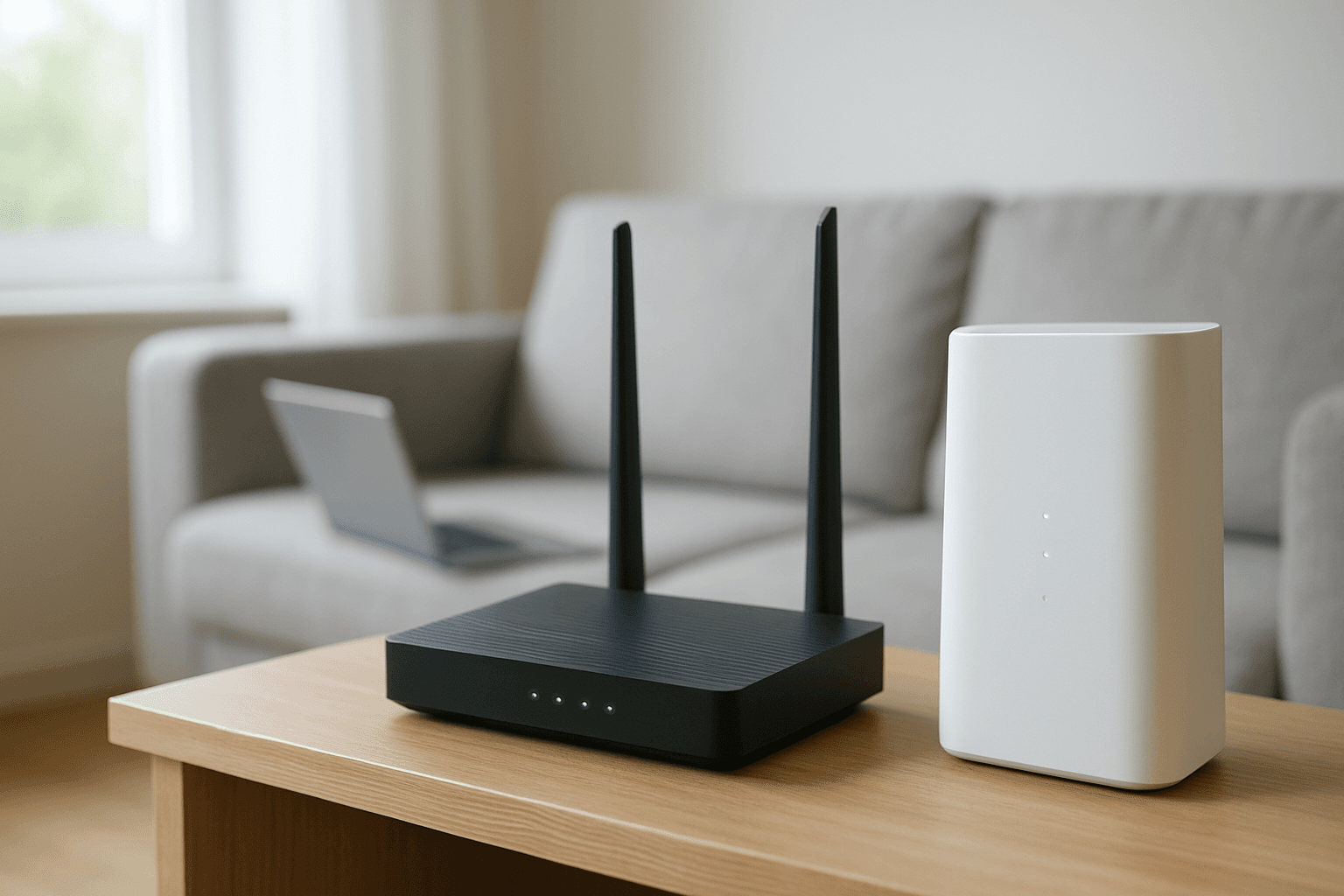
Walmart does not operate its own wired broadband network. When people search for "Walmart Internet," they are usually looking for home internet or hotspot options sold through Walmart stores and Walmart.com, often under partner brands.
That distinction matters because plan details, speeds, and prices are set by the underlying provider, not by Walmart. Availability also depends heavily on the home address.
This guide explains the main ways to get online through Walmart, the features worth comparing, and the questions to ask before buying. Specific prices change often, so figures below are described as typical ranges rather than quotes.
How Walmart Fits Into the Internet Market
Walmart works as a retail channel. It sells modems, routers, mesh systems, prepaid hotspots, and in some cases home internet service from carrier-backed brands. It also sells prepaid wireless plans that can include hotspot data.
Cable, fiber, and satellite companies still handle most traditional installs. A Walmart shelf or website may point toward these providers, but the service agreement is usually with the provider.
Main Options Available Through Walmart
The selection varies by store and by year, so check current listings. In general, the options fall into a few groups:
- Prepaid home internet: Brands such as Straight Talk have offered wireless home internet that runs on a major carrier's cellular network. These plans typically use a gateway device and require no installation visit.
- Mobile hotspots: Portable devices and prepaid data plans suit renters, travelers, and light users. Data caps or speed slowdowns after a set amount of use are common.
- Phone plans with hotspot data: Some prepaid phone plans include a hotspot allotment. This can work as a backup connection but is rarely a full replacement for home broadband.
- Equipment only: Shoppers who already have cable or fiber service can buy their own modem or router to avoid monthly rental fees.
Features to Compare
Two plans with similar prices can behave very differently. Look at the details before choosing.
- Connection type: Fiber is generally the most consistent. Cable is widely available. Wireless home internet and satellite can vary with signal strength and congestion.
- Data limits: Some plans are unlimited in name but may slow speeds after heavy use. Read the fair-use or network management terms.
- Speeds: Advertised speeds are typically "up to" figures. Real-world speeds depend on location, time of day, and equipment.
- Contract terms: Prepaid plans often have no long-term contract, while some provider plans require one or include early termination fees.
- Equipment costs: Check whether the gateway or modem is included, rented, or purchased up front.
- Upload speed and latency: These matter for video calls, cloud backups, and online gaming.
Checking Availability and Coverage
Wireless home internet depends on tower coverage at the exact address. A phone showing strong signal outside does not guarantee a stable connection inside. Providers usually offer an address checker, and the FCC National Broadband Map shows which providers report service at a given location.
For wireless plans, placement of the gateway near a window often improves results. Testing with a short trial or return window, where available, lowers the risk.
Cost and Assistance Programs
Monthly costs for home internet typically range from budget prepaid pricing to premium fiber tiers, and promotional rates can expire. Compare the full monthly total, including taxes, fees, and equipment.
The federal Affordable Connectivity Program stopped accepting new enrollments and ended in 2024, so it should not be counted on as a discount. Some providers still run their own low-income plans, and state or local programs may exist. Eligibility rules differ, so confirm directly with the provider.
Questions to Ask Before Buying
- Who is the actual service provider, and who handles support?
- Is the price locked, or does it change after a promotional period?
- Is there a data cap, speed throttling, or video streaming limit?
- What is the return policy on the gateway or hotspot?
- Can the plan be used at a second address if moving?
Answering these questions makes it easier to see whether a Walmart-sold option is a fit or whether a traditional provider is a better match for a household's needs.