
Diabetic Shoes: Features That Support Foot Health and Help Prevent Injury
- Health
- By Barbara H. on
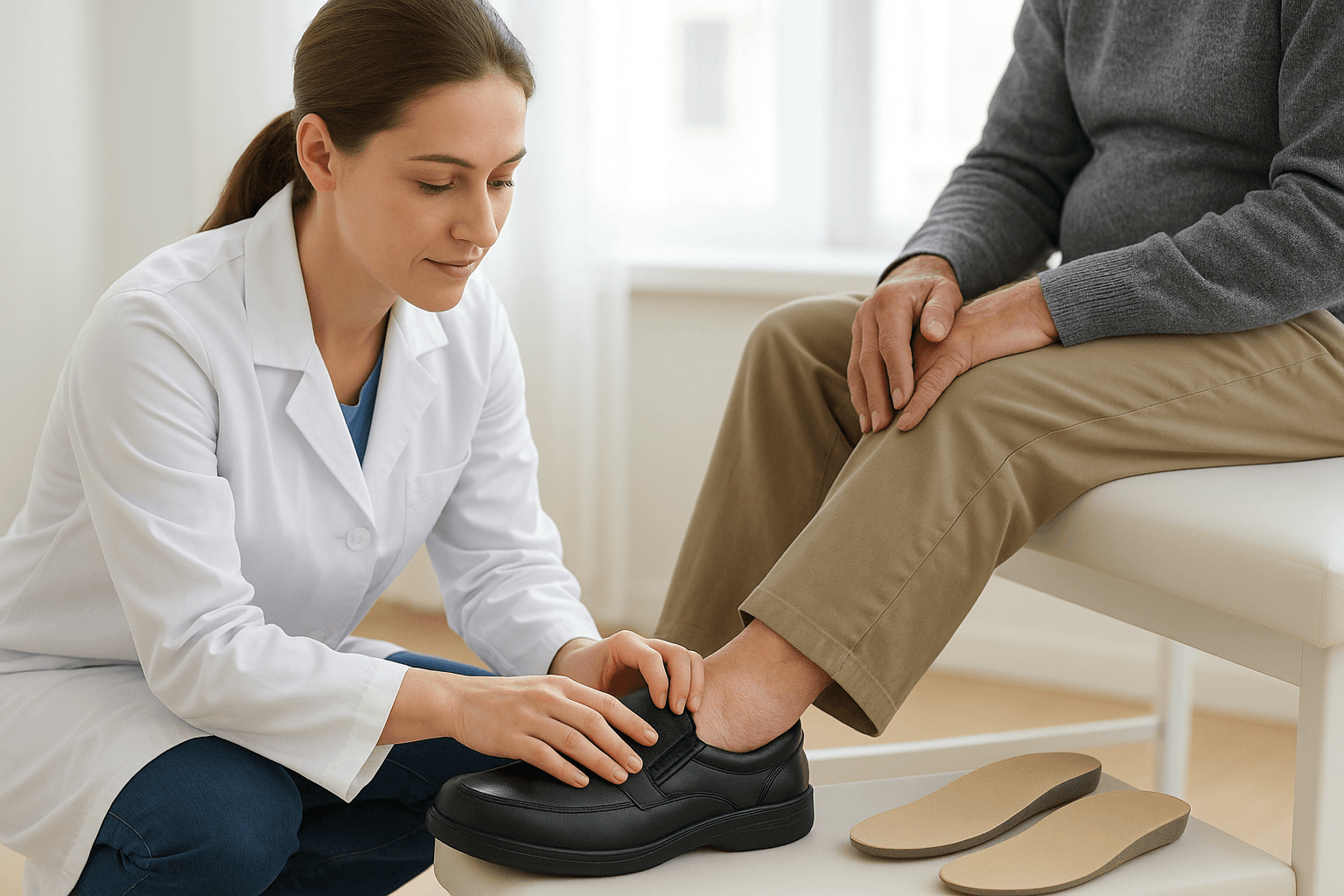
Diabetes can damage nerves and reduce blood flow in the feet. When that happens, a small blister or pressure spot may go unnoticed and can turn into a sore that heals slowly. Footwear is one of the most practical tools for lowering that risk.
Diabetic shoes, sometimes called therapeutic or depth shoes, are built to address these specific problems. They differ from standard walking shoes in room, cushioning, seam design, and adjustability. Not every pair marketed as "diabetic" is equally well made, so knowing the features matters.
This guide covers the construction details that support foot health, how to judge fit, and what to know about insurance coverage. It is general information and does not replace advice from a doctor or podiatrist who knows an individual's foot condition.
Why Footwear Matters With Diabetes
Neuropathy can dull the ability to feel heat, pain, or pressure. Poor circulation can slow healing when skin is damaged. Together, these changes mean that rubbing from a seam or a tight toe box can go unnoticed for days.
Foot deformities such as bunions, hammertoes, or a collapsed arch can add to the risk by creating high-pressure areas. The goal of therapeutic footwear is to spread pressure evenly and keep skin protected.
Key Features to Look For
The following features are commonly recommended by foot-care professionals:
- Extra depth: A deeper shoe leaves space for custom or prefabricated inserts without crowding the toes.
- Wide, roomy toe box: Toes should be able to spread out without touching the top or sides of the shoe.
- Seamless or soft interior lining: Fewer stitched seams inside the shoe means less friction against the skin.
- Breathable, flexible upper: Soft leather, stretch knit, or mesh can accommodate swelling and let moisture escape.
- Adjustable closures: Laces, hook-and-loop straps, or wide-opening designs allow adjustment as feet swell during the day.
- Cushioned, shock-absorbing midsole: Added padding reduces impact on the ball of the foot and heel.
- Firm heel counter: A supportive back helps keep the foot stable inside the shoe.
- Rocker or slightly curved sole: This shape can lessen pressure on the forefoot while walking, especially for those with a history of ulcers.
- Slip-resistant outsole: Good traction lowers the chance of falls, which matters if sensation in the feet is reduced.
The Role of Inserts
Inserts are often as important as the shoe itself. A custom-molded insert is shaped to an individual foot and redistributes pressure away from vulnerable areas. Prefabricated inserts are less costly and can work well for milder needs.
Because inserts take up volume, a depth shoe is usually necessary. Wearing thick inserts in a regular shoe can squeeze the toes and defeat the purpose.
How to Get a Good Fit
Fit is the single most important factor, and sizes can change over time. Feet may widen or lengthen with age, weight changes, or swelling. Having both feet measured every time shoes are purchased is a sound habit.
These fitting tips are widely recommended:
- Shop later in the day, when feet are typically at their largest.
- Bring the socks and inserts that will be worn with the shoes.
- Check for about a thumb's width of space beyond the longest toe.
- Walk around the store and look for rubbing at the heel, toes, or sides.
- Run a hand inside each shoe to feel for rough seams, tags, or loose stitching.
New shoes are best introduced gradually. Wearing them for short periods at first, then checking the skin for redness or pressure marks afterward, can catch problems early.
Socks and Daily Habits
Shoes work best as part of a routine. Socks designed for diabetes are usually seamless, non-binding at the top, and moisture-wicking. Cotton blends that hold sweat can encourage blisters and fungal problems.
Other habits that complement good footwear include:
- Inspecting both feet daily, including the soles and between the toes.
- Shaking out shoes and feeling inside them before putting them on.
- Avoiding walking barefoot, even indoors.
- Rotating between pairs so shoes can dry fully.
- Reporting any cut, blister, color change, or swelling to a health care provider promptly.
Coverage and Where to Buy
Medicare Part B may cover a pair of therapeutic shoes and inserts each year for people with diabetes who meet certain criteria. These typically include a qualifying foot condition and certification from the doctor managing the diabetes. The shoes generally must be supplied by an eligible provider such as a podiatrist, orthotist, or pedorthist.
Private insurance and Medicaid rules vary by plan and state. Checking with the insurer about required documentation, approved suppliers, and cost sharing before buying can prevent unexpected bills.
People paying out of pocket will find prices vary widely depending on brand, materials, and whether custom inserts are included. A podiatrist's recommendation can help narrow choices so money goes toward features that address a specific need rather than marketing labels.
When to See a Specialist
Anyone with numbness, a past foot ulcer, a deformity, or an open sore should talk with a podiatrist about footwear. A professional can assess gait, pressure points, and circulation, and prescribe shoes and inserts accordingly. Regular foot exams, at least annually and more often for higher-risk patients, remain a core part of diabetes care.