
How Ten Years of Clinical Research Reshaped Treatment for Varicose Veins
- Health
- By Kirsten H. on
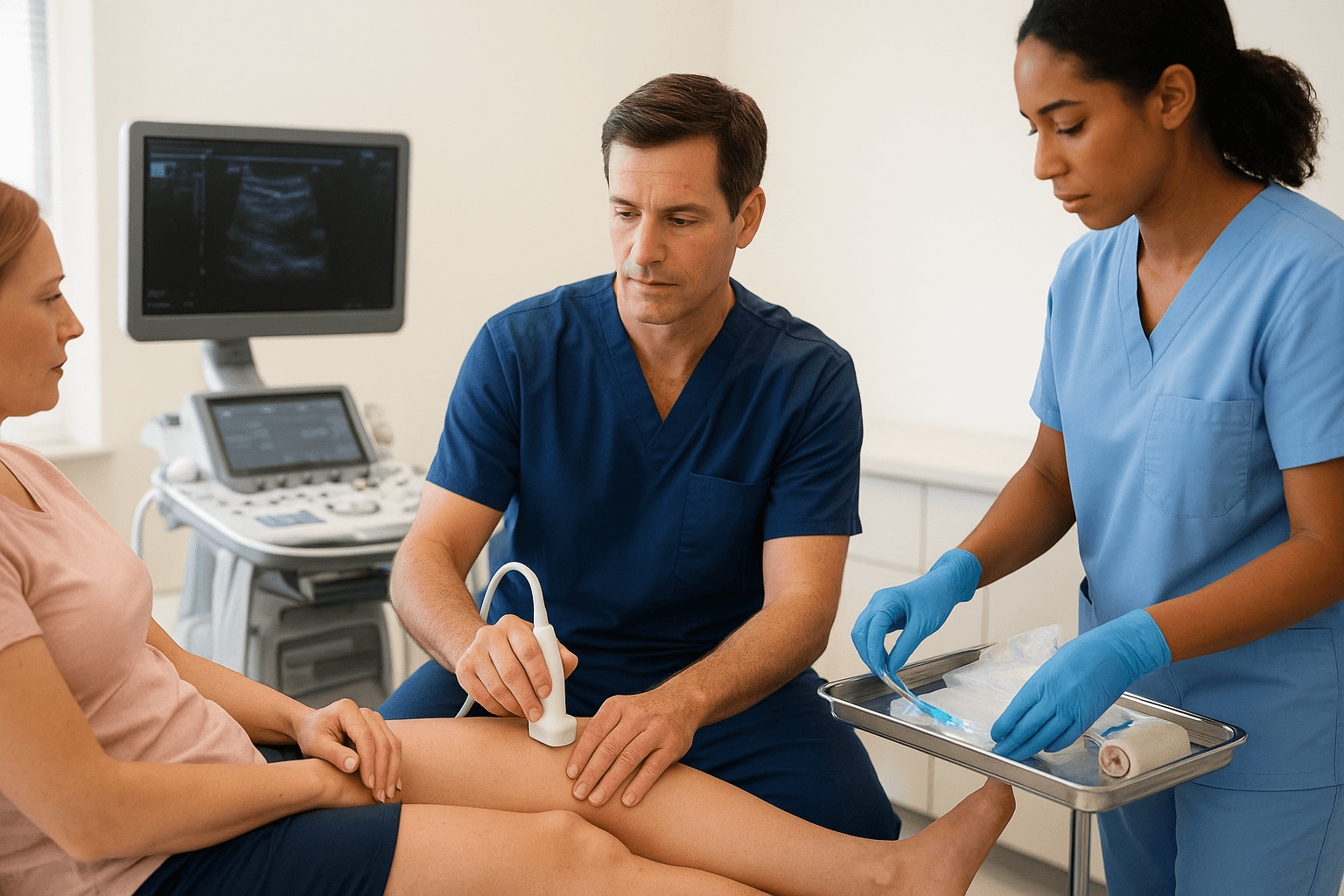
Few vascular complaints are as common in the U.S. as varicose veins, and treatment has shifted more in the last ten years than it did across the several decades before. Ongoing clinical research has pulled the field away from the operating room and toward quicker, less invasive procedures, with a growing body of data backing that move.
Mapping Ten Years of Studies
A large bibliometric analysis of trial activity from 2014 through 2024 found that varicose vein research output rose steadily from one year to the next. The increase was more than academic noise. It reflected real pressure from patients and physicians to leave behind older techniques, which brought long recoveries and higher complication rates, in favor of gentler options.
The most obvious pattern across that decade was the field's firm retreat from conventional vein-stripping surgery. Study after study pointed to endovenous and non-thermal methods as the future of treatment, while traditional stripping drew less and less research attention as the years passed. This was not a question of taste or fashion. It followed directly from outcome data and from what patients reported after their procedures.
The Dominance of Heat-Based Procedures
Two minimally invasive options now anchor the clinical evidence: endovenous laser ablation (EVLA) and radiofrequency ablation (RFA). The underlying idea is shared. Targeted energy is delivered inside the diseased vein so that it seals shut and the body gradually absorbs it. The method differs, though. EVLA uses precisely calibrated laser energy, whereas RFA uses controlled radiofrequency heat.
Neither requires a large incision, general anesthesia, or a night in the hospital, and both have compiled strong records in trials. Recurrence rates after EVLA and RFA have consistently been lower than those typically seen after traditional surgery. The evidence is strong enough that both are regarded as standard care in vascular practices nationwide.
Heat-Free Options Gain Ground
EVLA and RFA remain the most heavily studied treatments, but a newer group of non-thermal approaches is attracting more and more research interest. Mechanochemical ablation, or MOCA, is a prominent example. It closes the vein by pairing mechanical disruption of the vein wall with a sclerosing agent, with no heat involved. Since it does not depend on thermal energy, it also avoids tumescent anesthesia, the fluid-based numbing injection that thermal procedures usually call for. In practice, that means less discomfort during the procedure.
Cyanoacrylate adhesive closure is another technique gathering momentum in current trials. A medical-grade adhesive seals the diseased vein from the inside, and results so far have been encouraging, with solid closure rates and few side effects. As more data comes in, adhesive closure appears poised to become a routine part of mainstream vascular care rather than a niche choice.
International Research Feeding American Care
The ten-year review also looked at where the research momentum originates, and found a truly international effort. Leading institutions and journals around the world have together enlarged the pool of clinical evidence that American physicians use when refining their own protocols. This cross-border collaboration has shortened the time it takes for promising techniques to move from early research into routine use.
Patients benefit directly from that pipeline. When trial evidence emerges overseas, U.S. vascular specialists build it into their standards of care, giving patients here a wider menu of well-validated options than they would have if research stayed separated by country. Varicose vein research is more connected across borders now than at any earlier point.
Practical Takeaways for Patients
For people living with varicose veins, the main message is significant: current standard treatments are far less disruptive than what patients faced even fifteen years ago. Minimally invasive procedures keep delivering strong results, and heat-free options are widening access for patients who, for whatever reason, are not ideal candidates for thermal treatment.
The data also underscores something about long-term results. Recurrence after modern endovenous procedures compares favorably with what surgery historically produced, when vein regrowth and returning symptoms were more common. That gives patients firmer footing for an informed discussion with a vascular specialist about which technique suits their anatomy, lifestyle, and health history.
Why It Pays to Keep Up With the Evidence
Taken together, the last decade of clinical trials amounts to a genuine transformation in varicose vein care. EVLA and RFA now sit on a well-established base of research, and newer non-thermal methods such as MOCA and cyanoacrylate closure are steadily broadening the range of validated choices. The continued move away from traditional surgery, driven by measurable outcomes rather than trend-chasing, suggests the field still has room to improve. Anyone managing varicose veins, or considering treatment for the first time, stands to gain by getting familiar with this evidence before meeting with a provider to plan next steps.