
How Diabetes Clinical Trials Work and Why They Are Worth Knowing About
- Health
- By Kirstie H. on
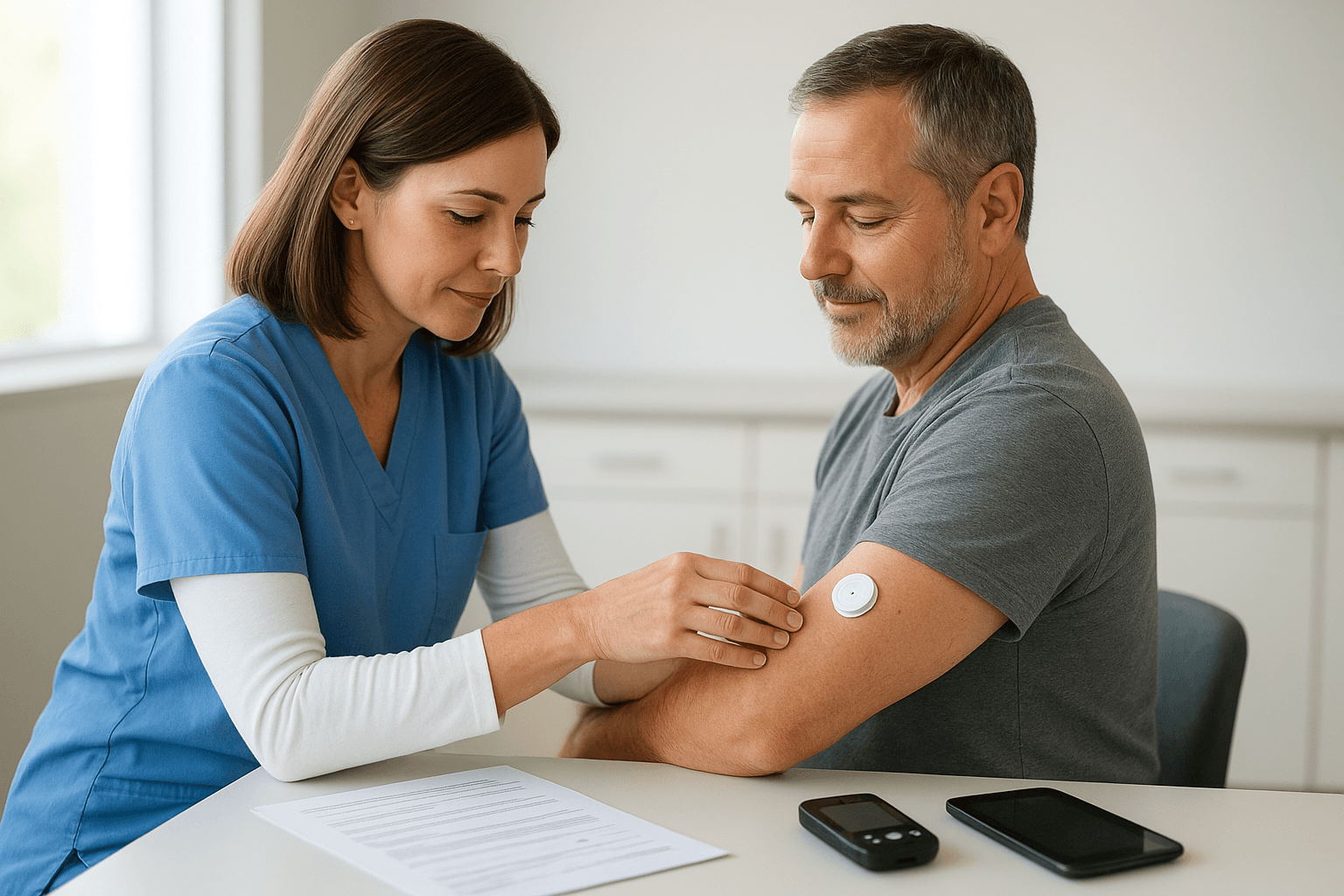
Diabetes is a long-term condition that disrupts the way the body converts food into energy. More than 400 million people worldwide live with it, so the search for better treatments, and eventually a cure, remains essential. Clinical trials are among the most important tools in that search.
They allow scientists and doctors to see how various treatments affect people with diabetes, and they can produce new medications, devices, and approaches to care.
For someone with diabetes, or for a family member, joining a trial can offer access to cutting-edge care while adding to research that may help others later on. The sections below cover how these studies are run, why they matter, and how to locate one that suits you.
What a Diabetes Clinical Trial Involves
A clinical trial is a research study that tests new ways to diagnose, prevent, or treat a disease. In diabetes, that might mean trying a new way of delivering insulin, assessing a glucose monitoring system, testing a medication, or studying how changes in diet and exercise affect health.
Trials move through stages known as phases:
- Phase 1: Checks safety, typically in a small group of participants.
- Phase 2: Examines how well the treatment works and what side effects it causes.
- Phase 3: Sets the new treatment against existing ones in a larger group.
- Phase 4: Takes place once a treatment has been approved, tracking its safety and effectiveness over the long term.
Some studies recruit people who already have Type 1 or Type 2 diabetes. Others look for people at high risk of developing it.
The Role Trials Play in Progress
Treatment for diabetes has advanced considerably. Insulin pumps, continuous glucose monitors, and new classes of oral medication all exist because of clinical trials. Without such studies, doctors could not tell what actually works, or whether a promising idea is safe.
Trials also make it possible to test treatments across a wide mix of people, including different ages, races, genders, and health conditions. That variety matters because diabetes can affect people differently depending on their genetics and lifestyle.
Put simply, clinical trials power progress in diabetes care. They bring forward options that can improve quality of life, lower the risk of complications, and even prevent diabetes in people at high risk.
Eligibility
Every trial sets its own rules about who may take part, called inclusion and exclusion criteria. These can depend on age, the type or length of time someone has had diabetes, current medications, or other medical conditions. Certain studies want people whose diabetes is well controlled, while others need participants who find blood sugar hard to manage.
Despite a common belief, trials are not only for people who have exhausted their treatment options. Many studies recruit people in the early stages of diabetes, or even those with prediabetes.
Weighing Benefits Against Risks
Possible benefits of joining include:
- Early access to new treatments before they become widely available
- Closer monitoring and extra support from medical professionals
- A chance to contribute to research that could help others
Possible risks include:
- Side effects from new treatments
- The chance that the treatment does not work for you
- Extra time and travel for appointments and testing
Because of this, asking questions before signing up is important. A member of the research team will usually walk through the details in a step called "informed consent," which covers the purpose of the study, what taking part involves, and the rights participants have.
Where to Look for a Trial
Several resources can help:
- ClinicalTrials.gov: A government-run database listing trials around the world.
- Local hospitals and research centers: Many run their own studies and promote them online or through physicians.
- Patient advocacy groups: Organizations such as the American Diabetes Association and JDRF (for Type 1 diabetes) often list ways to get involved.
Talking with a doctor before enrolling is wise, since it helps determine whether a trial fits your medical history and goals.
Final Thoughts
Diabetes clinical trials are vital for improving both treatment and understanding of this complex condition. They bring hope to people looking for better management tools now and to future generations who may benefit from discoveries made through research.
Whether recently diagnosed, living with diabetes for years, or at risk and seeking prevention options, a person may find that joining a trial is a meaningful step. Participants receive care and also help shape the future of diabetes treatment.