
Reasons to Take Part in Neuropathy Clinical Trials
- Health
- By Kirsten H. on
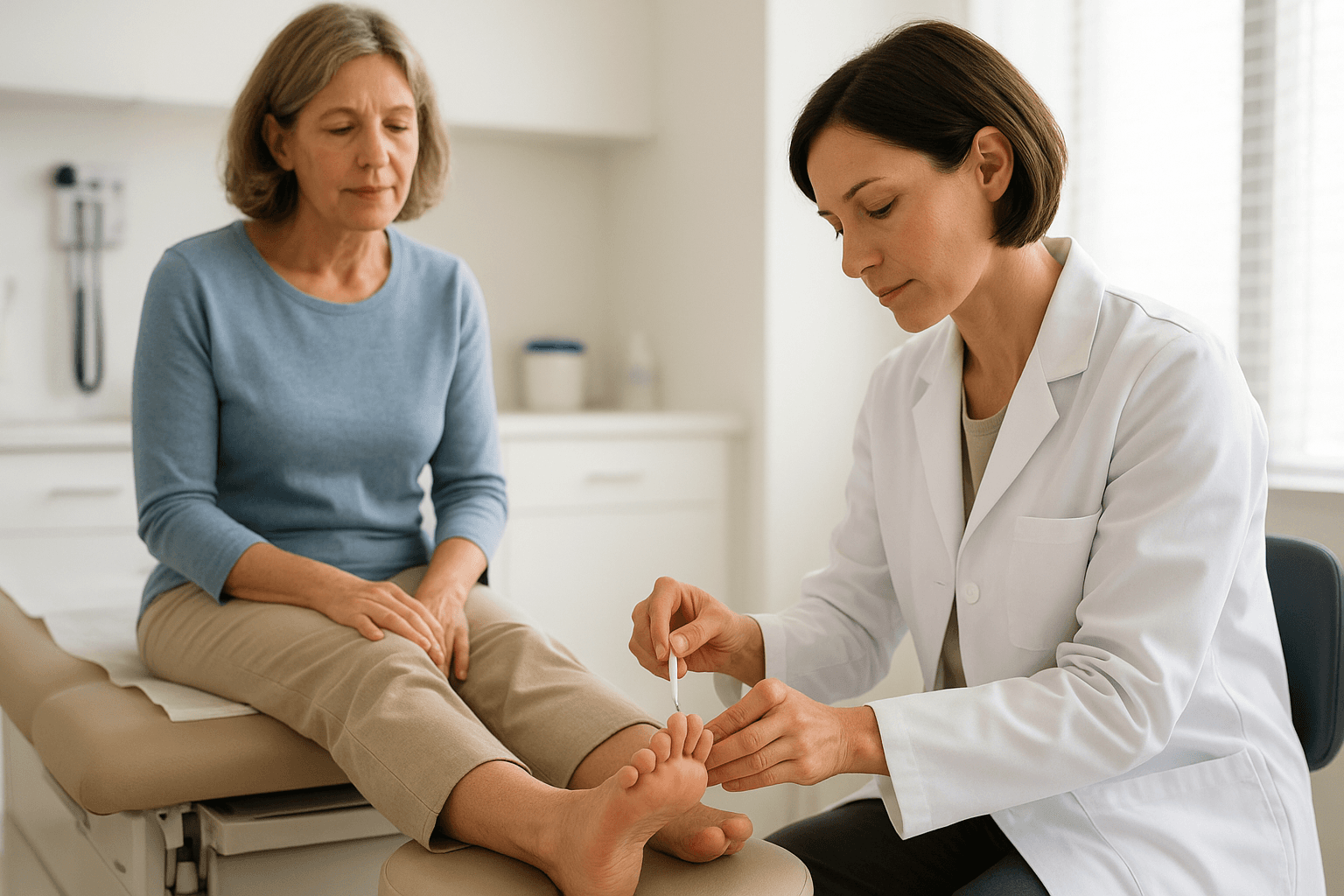
A look at the advantages, safeguards, and wider significance of taking part in neuropathy research
Millions of people around the world live with peripheral neuropathy, a condition that brings pain, numbness, tingling, and weakness, usually in the hands and feet. It is widespread, yet treatments that work well over the long term are still scarce. Clinical trials are meant to close that gap.
Trials link laboratory discoveries to everyday medical practice. Enrolling in a neuropathy study can give patients early access to emerging therapies, and it also lets them help improve care for future generations.
The sections below cover what neuropathy clinical trials are, who qualifies, and the main reasons to consider taking part.
How Neuropathy Trials Work
A clinical trial is an organized medical study that tests whether a new treatment, procedure, or device works and whether it is safe for people. Every medication and therapy in use today, from pain relievers to insulin, went through this process.
Neuropathy studies may center on:
- New drugs aimed at nerve pain, inflammation, or regrowth
- Gene or cell therapies intended to repair damaged nerves
- Nerve stimulation technology that eases pain or improves mobility
- Lifestyle and rehabilitation programs that restore function or keep the condition from worsening
Most trials move through a series of phases:
- Phase I: Safety testing in small groups
- Phase II: A first look at effectiveness, plus fine-tuning of dosage
- Phase III: Large studies that compare the new treatment with standard care
- Phase IV: Monitoring after approval to check long-term safety
Each stage helps confirm that a promising treatment is safe and beneficial before it reaches the general public.
Five Reasons to Consider Enrolling
Early Access to New Treatments
For many patients, the strongest draw is early access to advanced therapies that the public cannot yet obtain.
When existing medications have not provided enough relief, a trial may offer something new to try, with close medical supervision and at no cost. Many neuropathy studies look at disease-modifying or regenerative approaches that could slow or even reverse nerve damage instead of just masking pain.
Specialist Care and Careful Tracking
Trial participants receive thorough medical attention from specialists in neurology, endocrinology, or pain management.
Study teams often bring together physicians, nurses, and research coordinators who:
- Carry out regular assessments and nerve tests
- Watch symptoms and side effects closely
- Change medications or doses when needed
- Teach participants how to manage neuropathy safely
Even if the experimental treatment does not help everyone, this added level of care can give participants a better grasp of their condition and personalized health insights.
Contributing to Science and Future Therapies
Clinical trials depend on volunteers. Without them, researchers cannot collect the data needed to create new therapies or refine existing ones.
By taking part, you contribute directly to:
- A better understanding of how neuropathy starts and progresses
- Quicker approval of more effective, targeted treatments
- Stronger options for future patients, including relatives who may face similar problems
Participants are, in many respects, partners in progress, and they are the reason discoveries travel from the lab to life-changing treatments.
Covered Costs and Financial Support
Most neuropathy trials pay for study-related visits, lab tests, and medications. Some also reimburse travel costs or provide stipends for time and participation.
As a result, patients can often get high-quality evaluations and advanced diagnostics at no personal cost. That can matter a great deal for people who face heavy out-of-pocket expenses in conventional care.
A Chance at Better Quality of Life
For many people, neuropathy means daily pain, restricted movement, and emotional strain. Trials that test new therapies, devices, or rehabilitation programs may deliver relief or functional gains that traditional treatments have not.
Even when outcomes vary, many participants describe psychological benefits from playing an active part in their care, learning more about their condition, and building connections with supportive research teams.
Safety and Oversight: What to Expect
Safety is the foundation of every clinical trial. Any study involving human participants falls under strict ethical and regulatory standards, including:
- Institutional Review Boards (IRBs), which examine each study to protect participants and make sure informed consent is in place
- FDA oversight (in the U.S.) of investigational drugs and devices
- Continuous monitoring for adverse events, with the power to halt or change a study when necessary
Before enrolling, every participant gets a detailed informed consent form that describes:
- The study's purpose
- Possible risks and benefits
- How long the study will run
- Which procedures are involved
- The right to withdraw at any time
Participants can, and should, ask as many questions as they need before signing up.
Who Qualifies for a Neuropathy Trial?
Eligibility depends on how each study is designed. Most trials set inclusion and exclusion criteria, which may cover:
- Age range (often 18 and older)
- Type or cause of neuropathy (for example, diabetic, chemotherapy-induced, or idiopathic)
- Severity and duration of symptoms
- Other health conditions or medications
Some trials look for people who were recently diagnosed, while others recruit those with long-standing or treatment-resistant neuropathy.
Clinical research coordinators run screening assessments, such as blood tests, nerve studies, and medical history reviews, to confirm that each participant is a good match.
Where to Look for Neuropathy Trials
Several reputable sources list available studies:
- ClinicalTrials.gov: The U.S. National Library of Medicine's database, which lists thousands of ongoing and upcoming studies around the world.
- The National Institutes of Health (NIH) and the National Institute of Neurological Disorders and Stroke (NINDS) websites.
- Patient advocacy groups, such as the Foundation for Peripheral Neuropathy or the American Diabetes Association, which often share trial opportunities.
- Local hospitals and university research centers, which frequently conduct or partner on clinical studies.
Searches can be narrowed by location, neuropathy type, or study phase. Many trials accept participants from several states and may help with travel arrangements.
The Takeaway
People living with neuropathy whose current therapies fall short may find new hope and a meaningful role in their own care through a clinical trial. Participants gain access to expert teams, add to life-changing discoveries, and help shape neuropathy treatment for countless others.
Before enrolling, always talk over any potential trial with a physician and confirm that the study is run by reputable, approved organizations. With the right guidance, joining a neuropathy clinical trial can be a personal and humanitarian step toward better treatments and, someday, a cure.